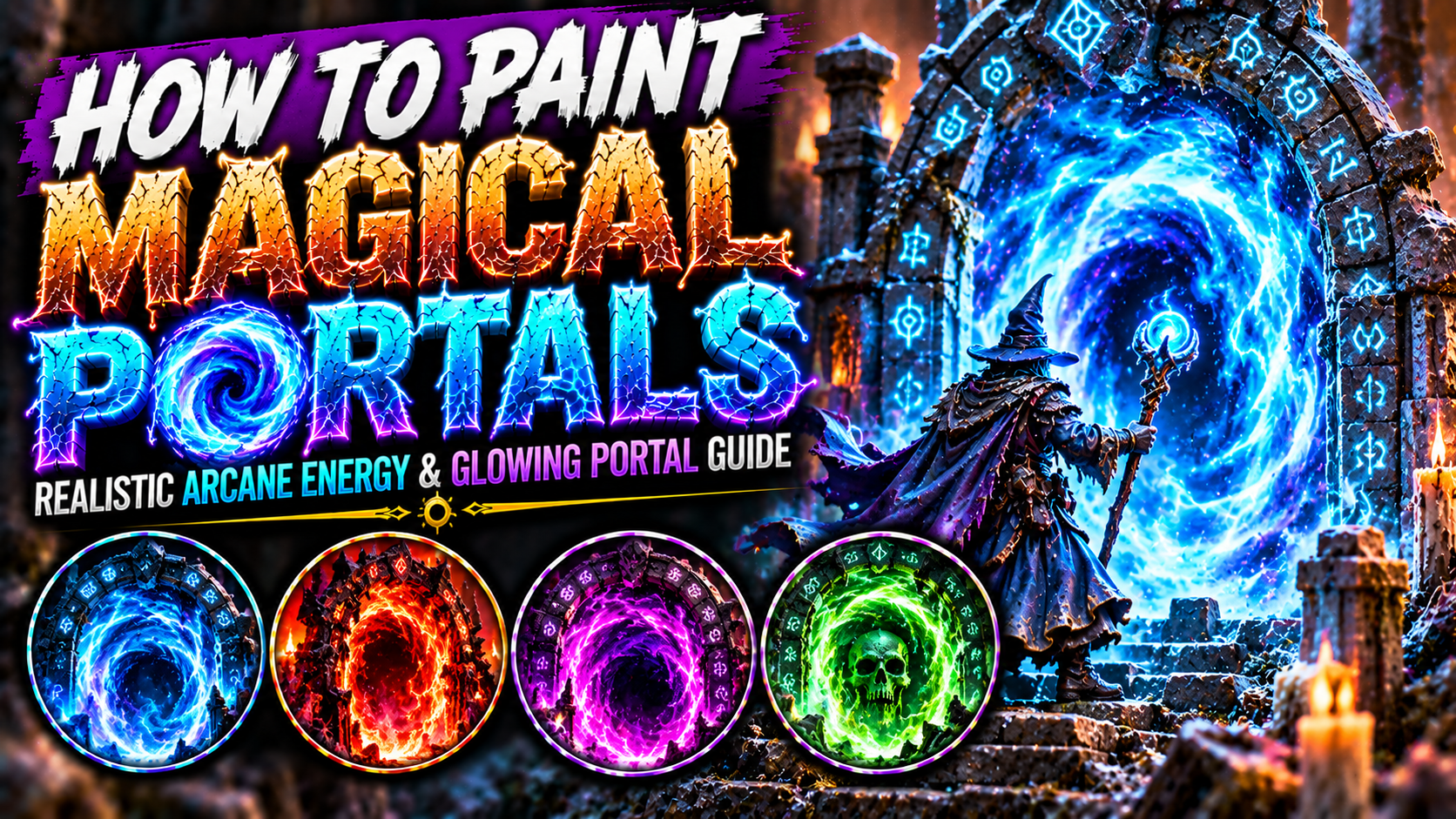
How to Paint Magical Portals on Miniatures (Realistic Arcane Energy & Glowing Portal Guide)
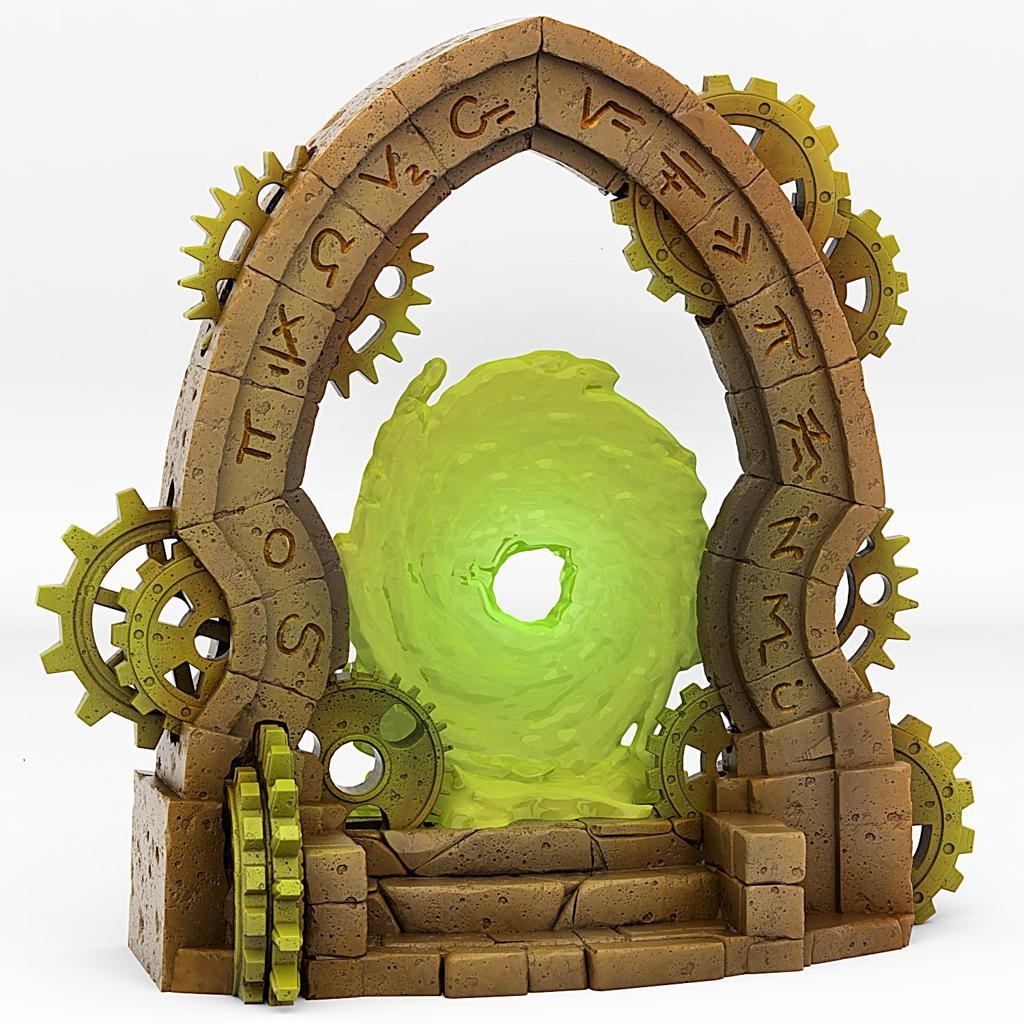
Magical portals are among the most dramatic effects you can add to a fantasy miniature or diorama.
They can appear behind powerful wizards, inside ancient ruins, beneath summoned demons, in dungeon walls, or at the center of an entire battlefield. A portal can represent teleportation, planar travel, demonic summoning, necromantic energy, celestial magic, or almost any supernatural event.
They are also perfect opportunities to practice extreme contrast and Object Source Lighting (OSL).
The biggest mistake when painting a magical portal is simply painting it a bright color.
Brightness alone doesn’t create the illusion of light.
For a portal to appear genuinely luminous, it needs a clear transition from dark to bright, an extremely bright energy source, and reflected light on everything around it.
In this guide, you’ll learn how to paint blue arcane portals, fiery demonic gateways, necromantic portals, swirling magical energy, glowing runes, dimensional cracks, and realistic OSL.
Understanding How a Magical Portal Should Look
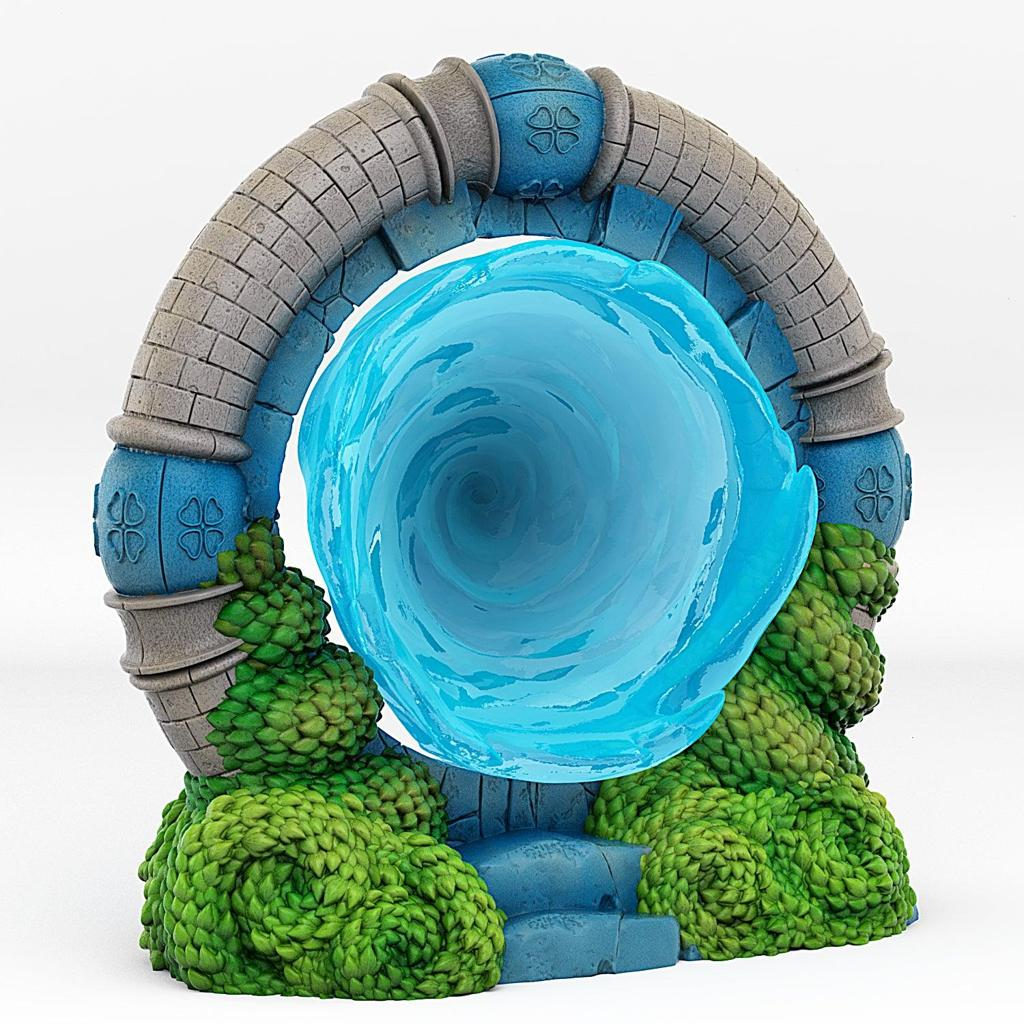
A convincing portal needs visual depth.
Instead of treating it like a flat glowing disc, imagine you’re looking through an opening into another dimension.
The outer edges might contain swirling energy.
The interior can become darker or brighter depending on the effect.
Energy lines can spiral inward.
Small particles can appear around the opening.
Runes might glow along the surrounding stone.
The most important element is contrast.
If everything surrounding the portal is bright, the portal itself won’t appear especially luminous.
Dark environments make magical light dramatically more effective.
Choosing a Portal Color Palette
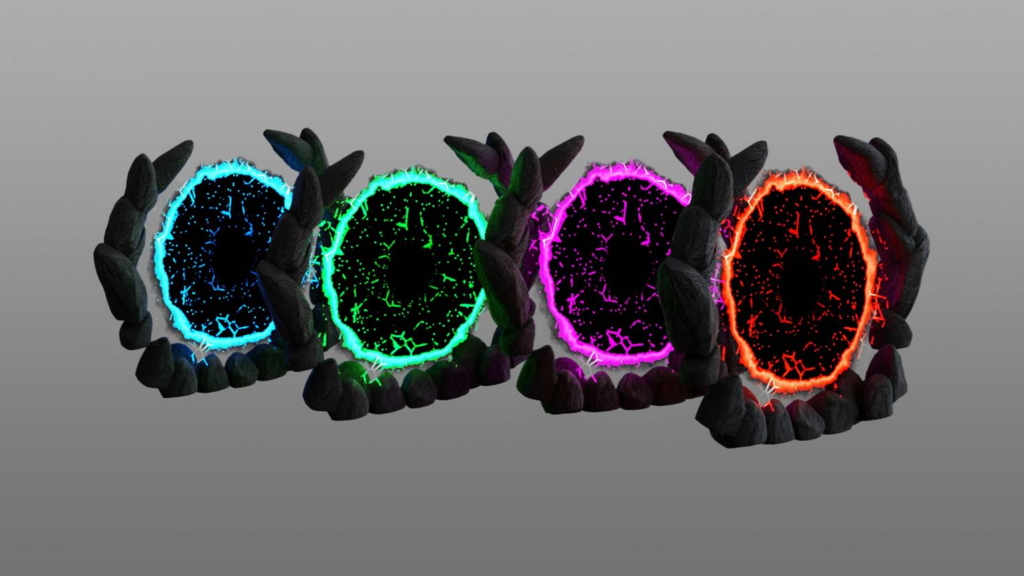
Portal colors immediately communicate the type of magic involved.
Blue and turquoise suggest arcane energy.
Purple and magenta feel mysterious or dimensional.
Green works beautifully for necromantic or corrupted magic.
Red and orange suggest demonic energy or fire.
White and gold can represent celestial magic.
A blue portal might follow:
Black-Blue → Dark Blue → Turquoise → Cyan → White
A purple portal:
Black-Purple → Violet → Magenta → Pink → White
A necromantic portal:
Black-Green → Emerald → Lime → Yellow-Green → White
Always save your brightest color for the strongest energy.
Starting with a Dark Base
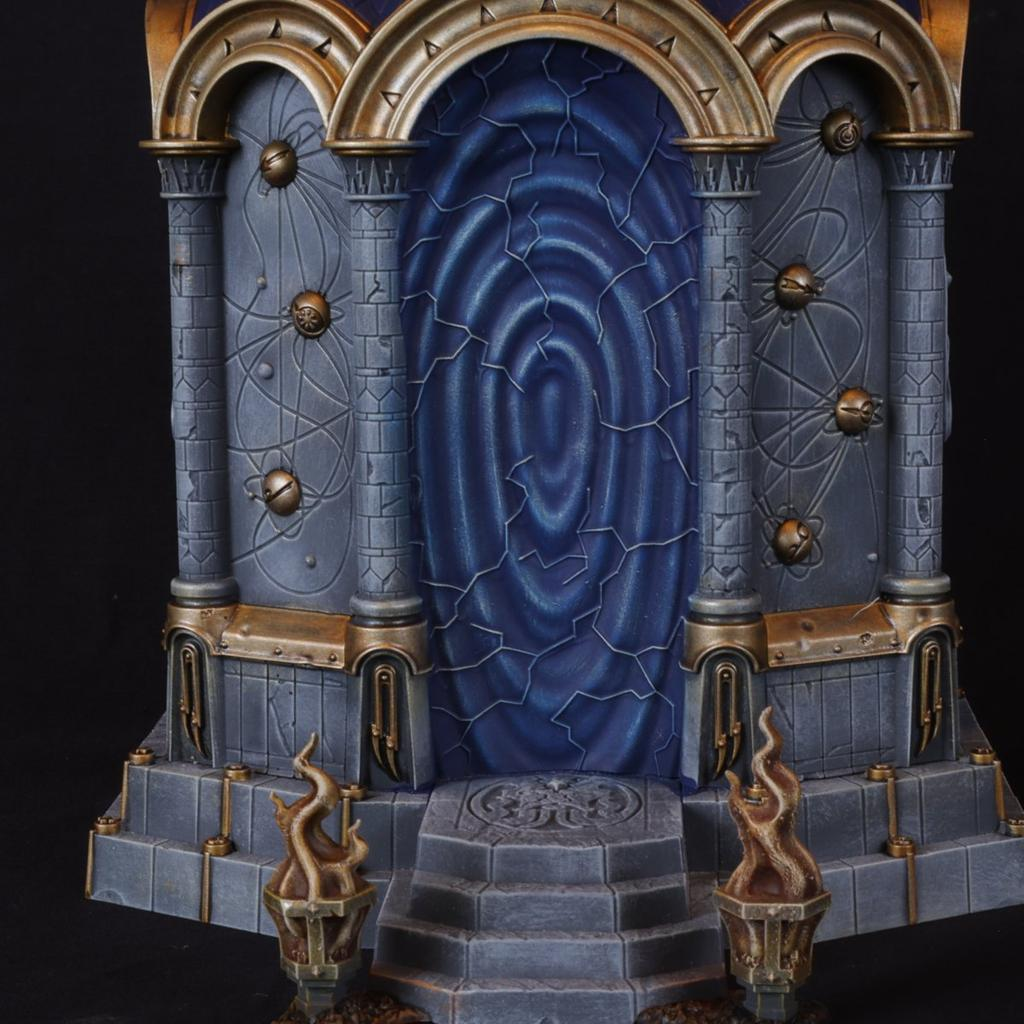
Glowing effects become much easier when you begin dark.
For a blue portal, start with navy or blue-black.
For purple, begin with extremely dark violet.
Green portals can start from black-green.
Keep surrounding terrain dark as well.
This creates room for your highlights.
If you begin with a medium or bright color, you’ll have nowhere to push the brightest areas.
The deepest recesses can remain almost completely black.
Then gradually introduce increasingly saturated colors toward the active magical energy.
Painting Swirling Portal Energy
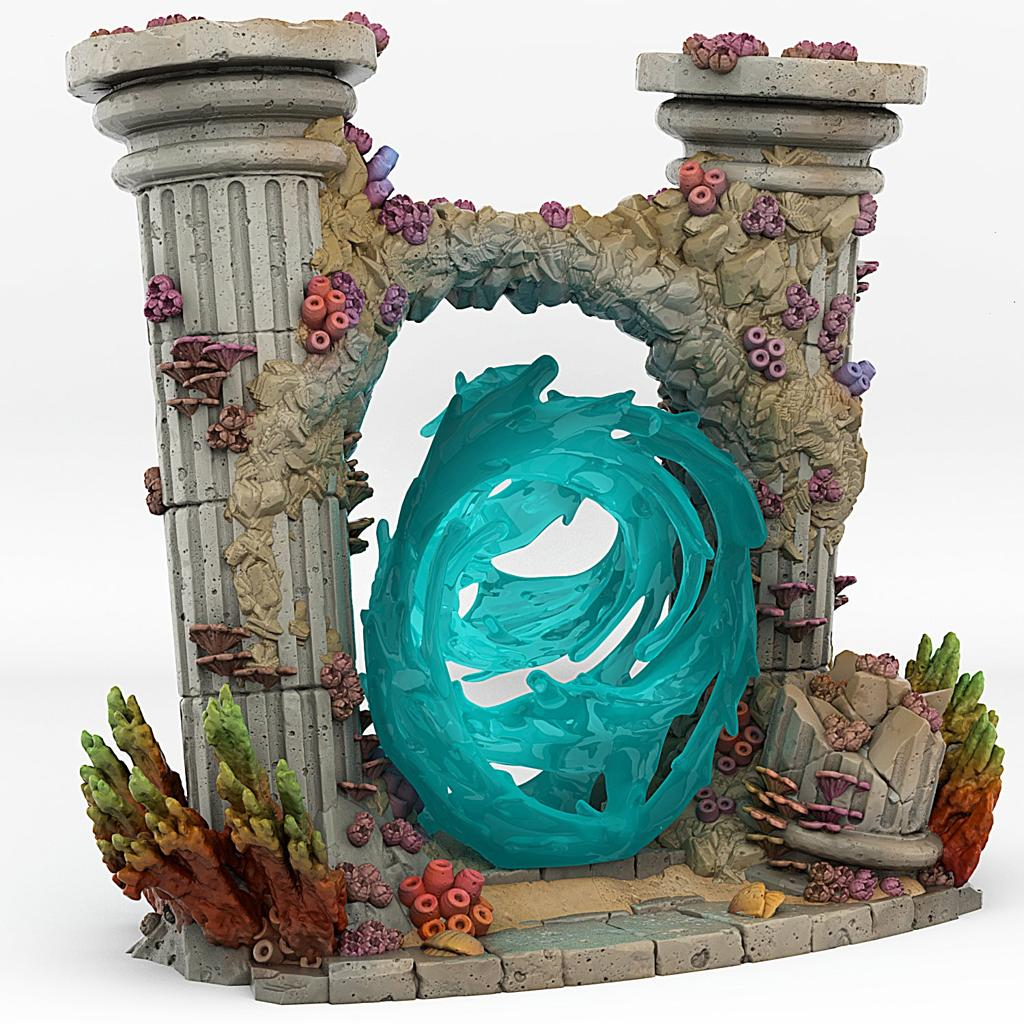
Movement is essential.
A portal should feel unstable and energetic rather than static.
Paint curved lines following a circular or spiral pattern.
Start with your midtone.
Then add thinner brighter lines inside or alongside them.
Allow some lines to disappear.
Others can split.
Avoid creating perfectly symmetrical spirals.
Magical energy should feel slightly chaotic.
You can also paint small curved streaks moving toward the center.
These create the illusion that energy is being pulled into the portal.
Creating Depth Inside the Portal
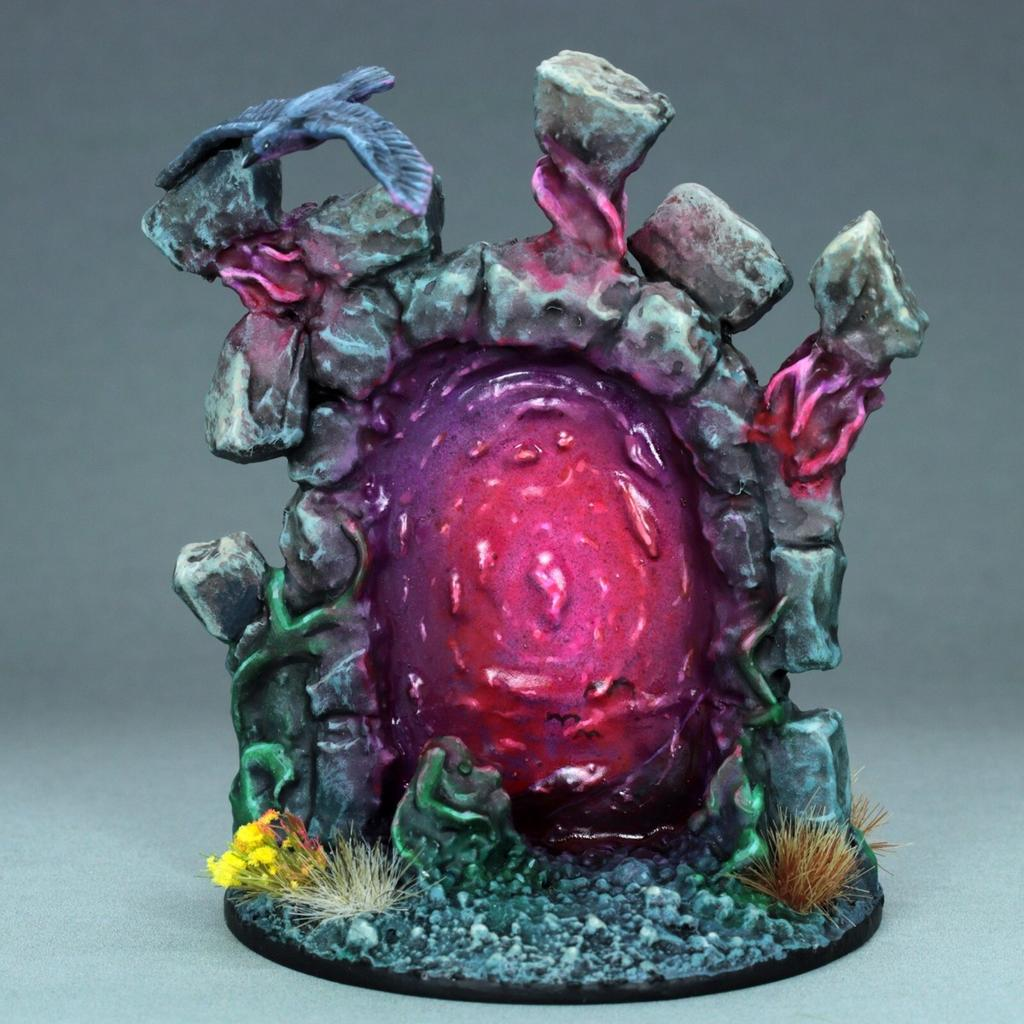
There are several ways to create dimensional depth.
One method is keeping the center darker while making the surrounding energy ring brighter.
This creates the impression of a mysterious void.
Another approach is making the center extremely bright, suggesting overwhelming energy beyond the opening.
For a dark portal:
Bright Edge → Saturated Energy → Dark Center
For a radiant portal:
Dark Outer Energy → Saturated Color → White Center
Both approaches work.
Choose whichever better supports the story of the miniature.
Painting Blue Arcane Portals
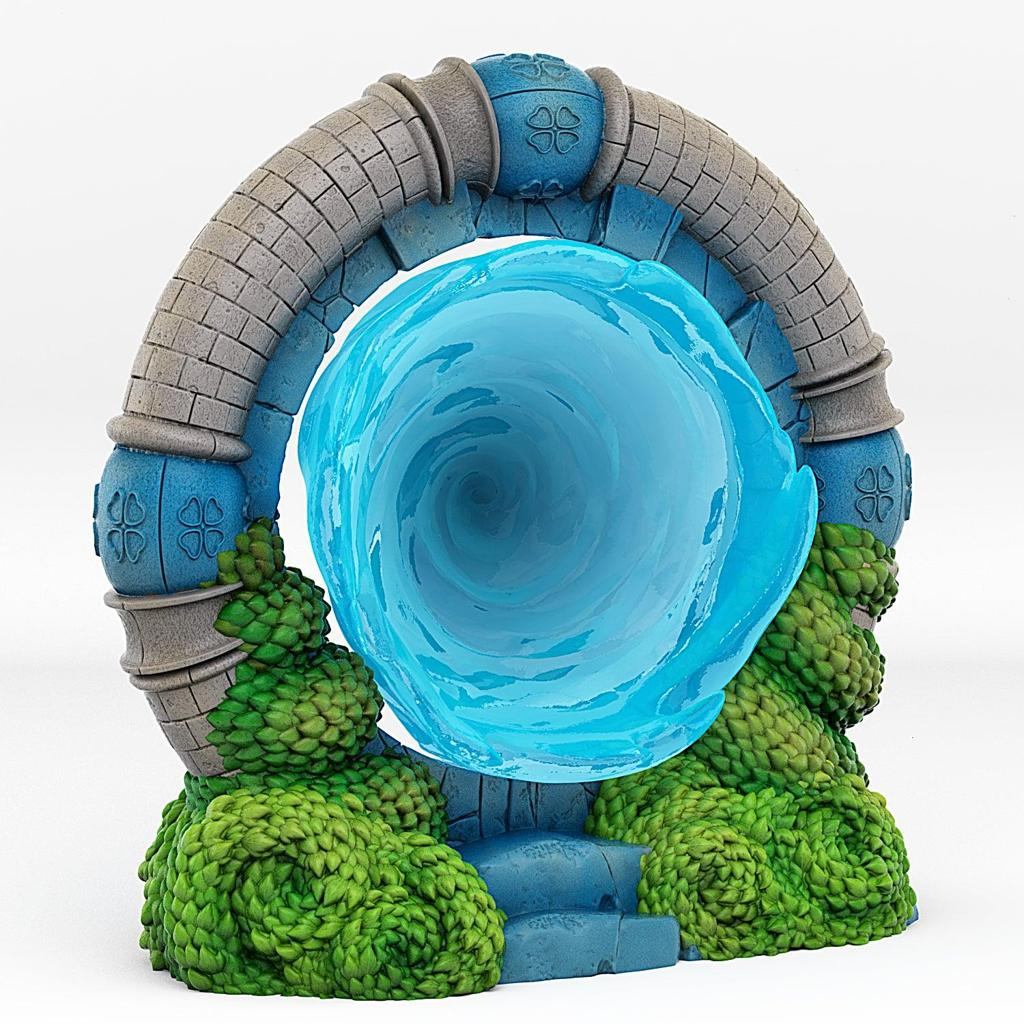
Blue is probably the most versatile portal color.
Begin with dark navy.
Introduce strong blue across the main energy.
Add turquoise toward active areas.
Then use cyan.
Finally, introduce very small amounts of white.
Keep the white concentrated.
If too much of the portal becomes white, you lose the beautiful color transition.
The surrounding environment can receive thin blue and turquoise glazes.
Stone, armor, clothing, and weapons can all reflect the portal’s light.
Painting Purple Dimensional Portals
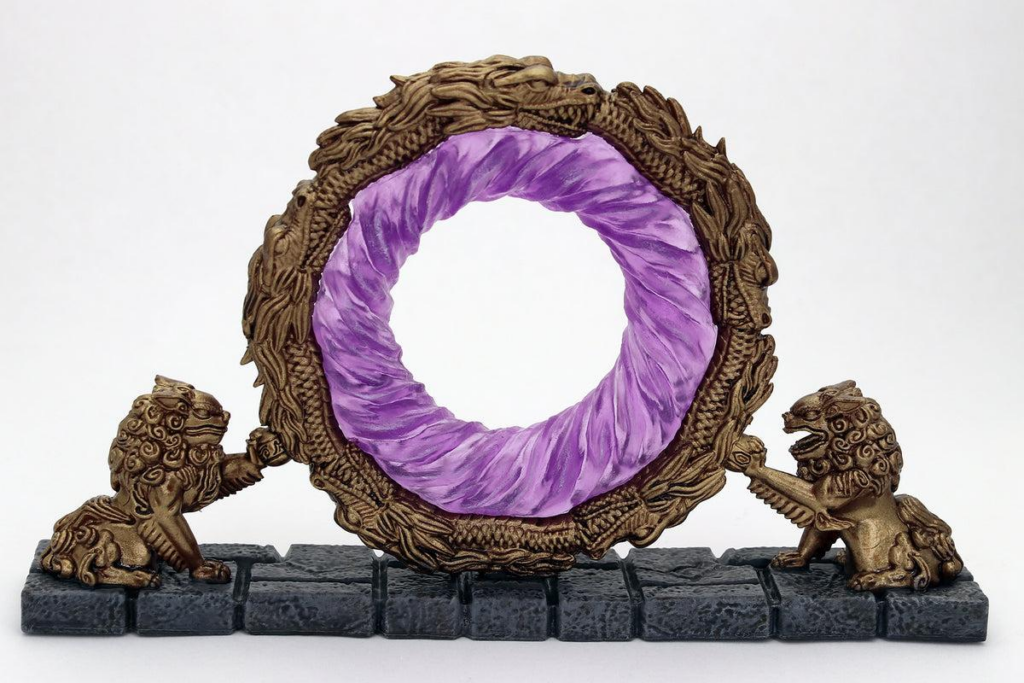
Purple creates an excellent supernatural atmosphere.
Start with black-purple.
Build toward violet.
Introduce saturated magenta.
Then add pink.
Finish with pale pink or white.
You can also introduce small amounts of blue in selected shadows.
This creates more color complexity.
Purple portals work particularly well for dimensional travel, eldritch creatures, psychic magic, and mysterious arcane environments.
Keep nearby surfaces relatively dark so the purple illumination remains dramatic.
Painting Necromantic Green Portals
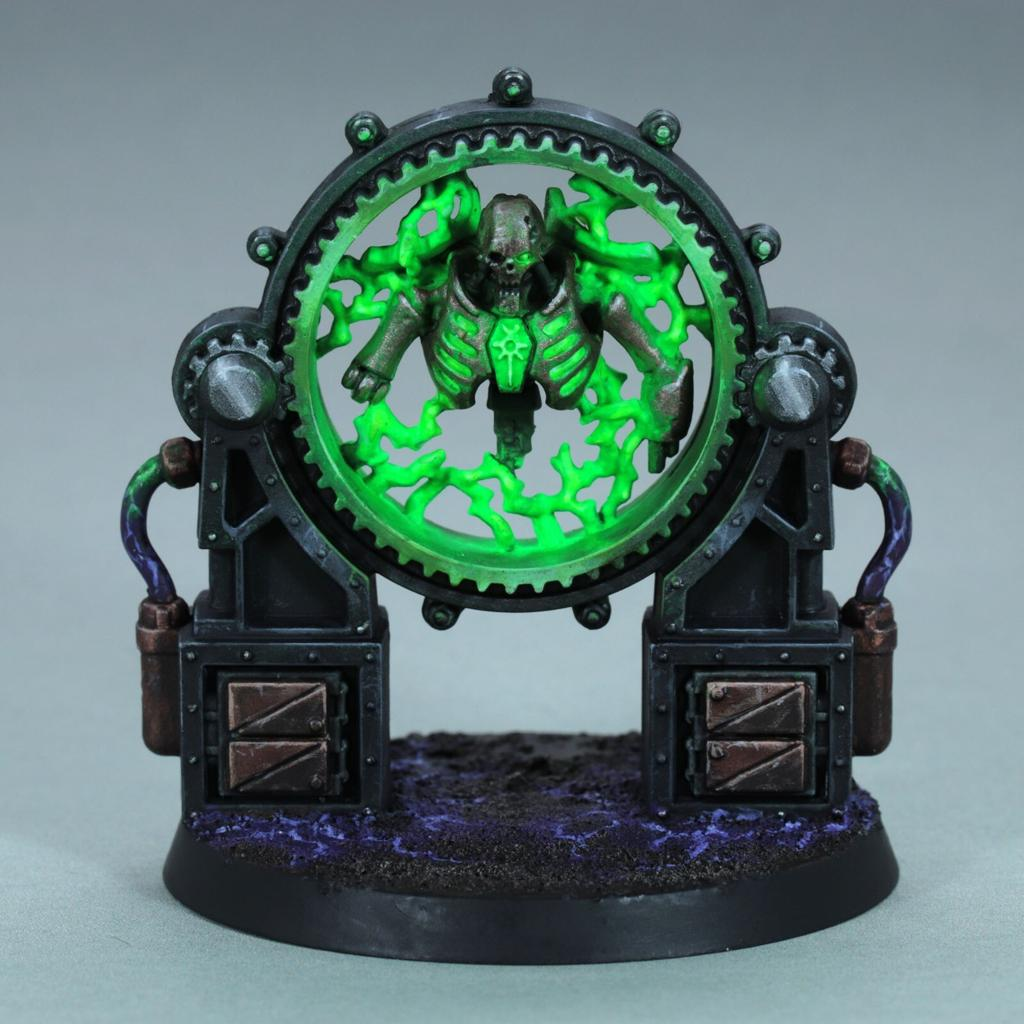
Green portals immediately suggest corrupted magic.
Start with extremely dark green.
Introduce emerald.
Build toward bright green.
Then add lime.
Finish with yellow-green or pale yellow.
Unlike natural vegetation, magical green should be highly saturated.
You can also add green mist around the opening.
Bones, skulls, gravestones, or ruined stone can receive subtle green reflections.
The brightest areas should remain concentrated near the magical source.
This prevents the entire scene from becoming uniformly green.
Painting Demonic Red Portals
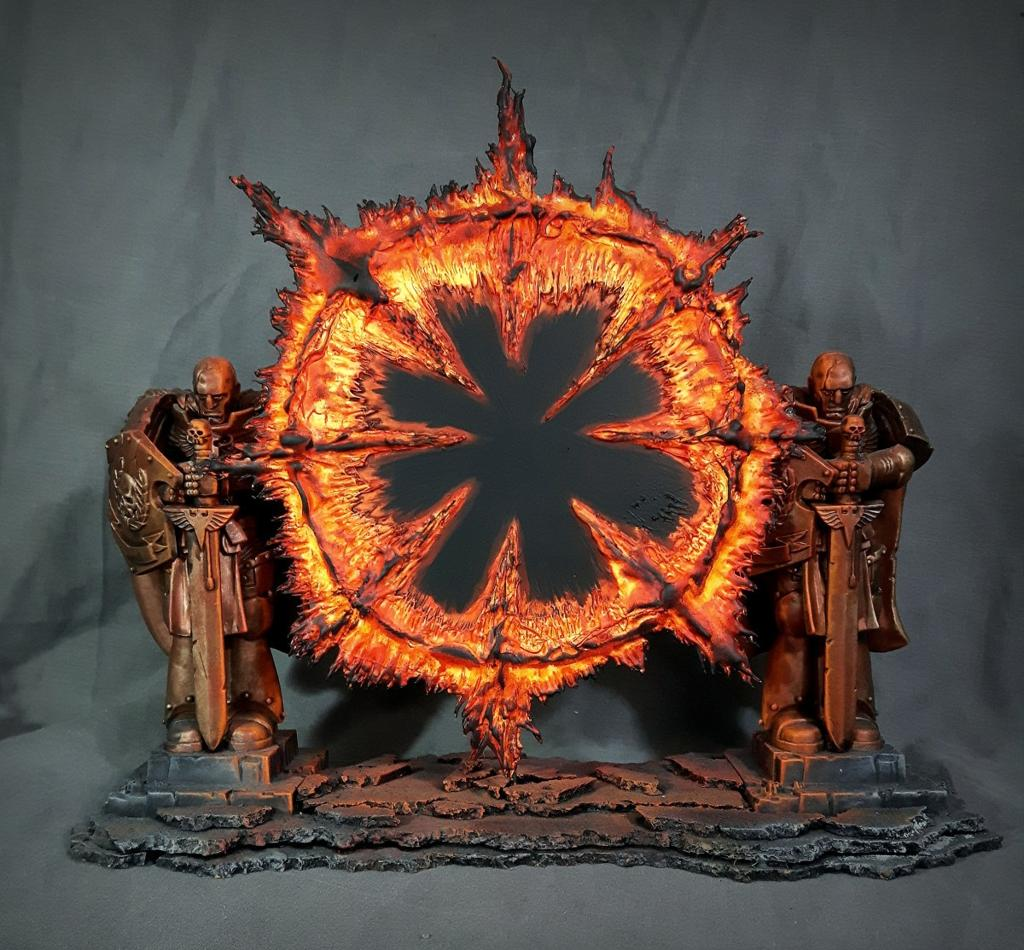
Demonic portals benefit from aggressive warm colors.
Begin with black-red.
Introduce deep crimson.
Then move toward red.
Add orange.
Finish selected sections with yellow or pale yellow.
The progression is similar to painting fire.
However, keep the shapes more circular and energetic.
Add dark cracks or voids between bright areas.
Surrounding rocks can receive red and orange reflections.
A demon emerging from the portal should also receive warm light across surfaces facing the gateway.
Painting Celestial Portals
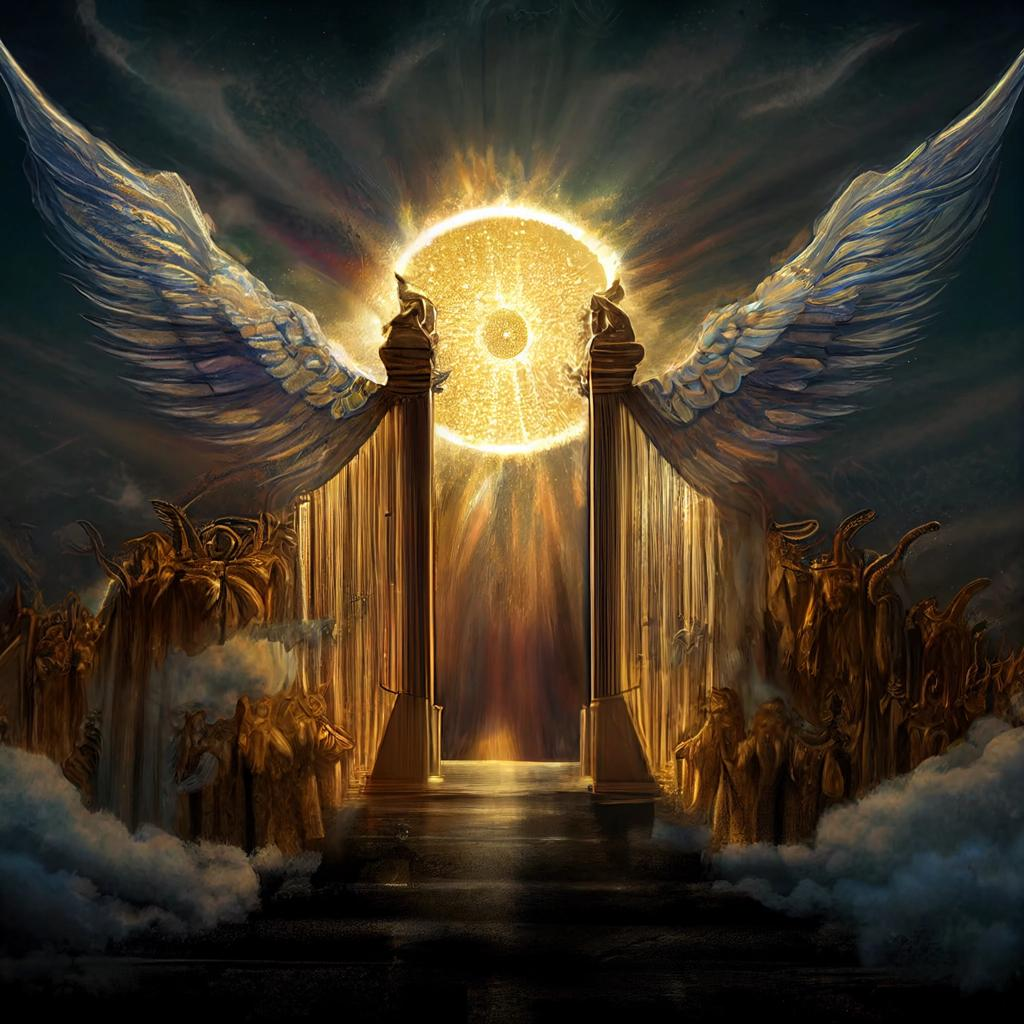
Celestial portals can use white, pale blue, and gold.
Begin with muted blue-grey or warm brown depending on the effect.
Introduce increasingly bright colors toward the center.
For a heavenly blue portal:
Blue-Grey → Pale Blue → Ice Blue → White
For golden celestial energy:
Brown → Ochre → Yellow → Pale Yellow → White
Keep the center extremely bright.
Surrounding surfaces can receive subtle pale reflections.
Gold details around the portal work particularly well with celestial themes.
Painting Magical Runes Around the Portal
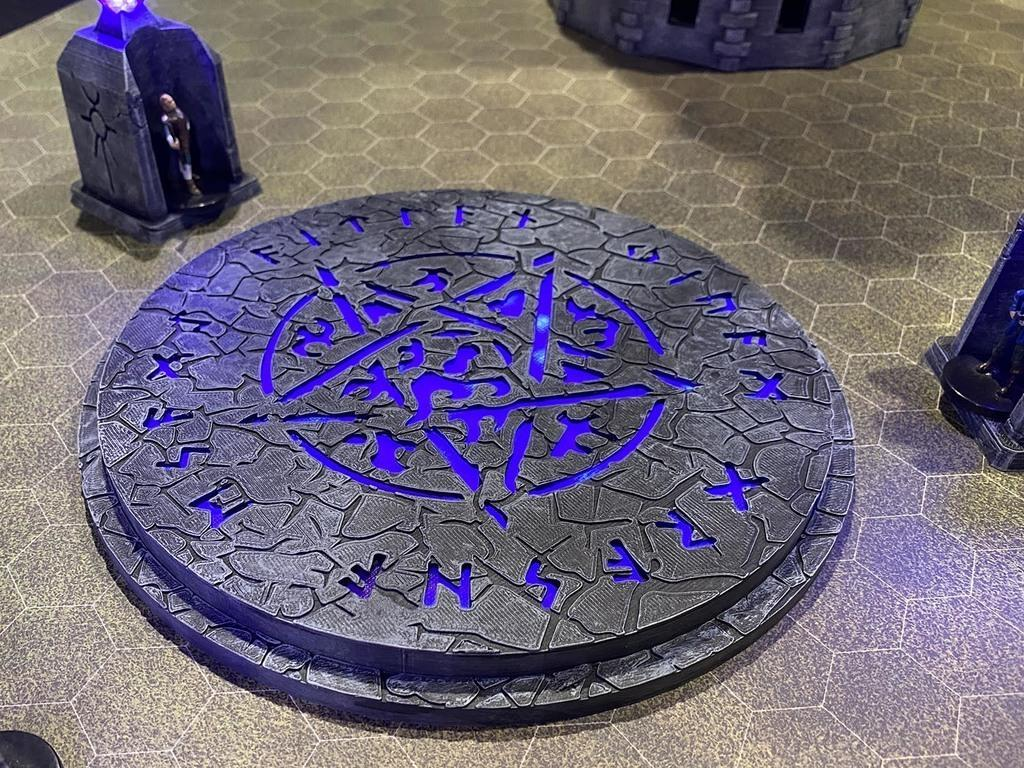
Runes make the structure surrounding the portal feel magical even before the central energy is considered.
Start with a dark version of your portal color inside each rune.
Then introduce the main saturated color.
Add a smaller bright line.
Finish selected intersections with near-white.
The center of the rune should usually be brighter than its surrounding glow.
Afterward, glaze the magical color around the carved symbol.
Keep this reflected light soft.
The rune itself should remain sharper and brighter.
Creating Magical Energy Cracks
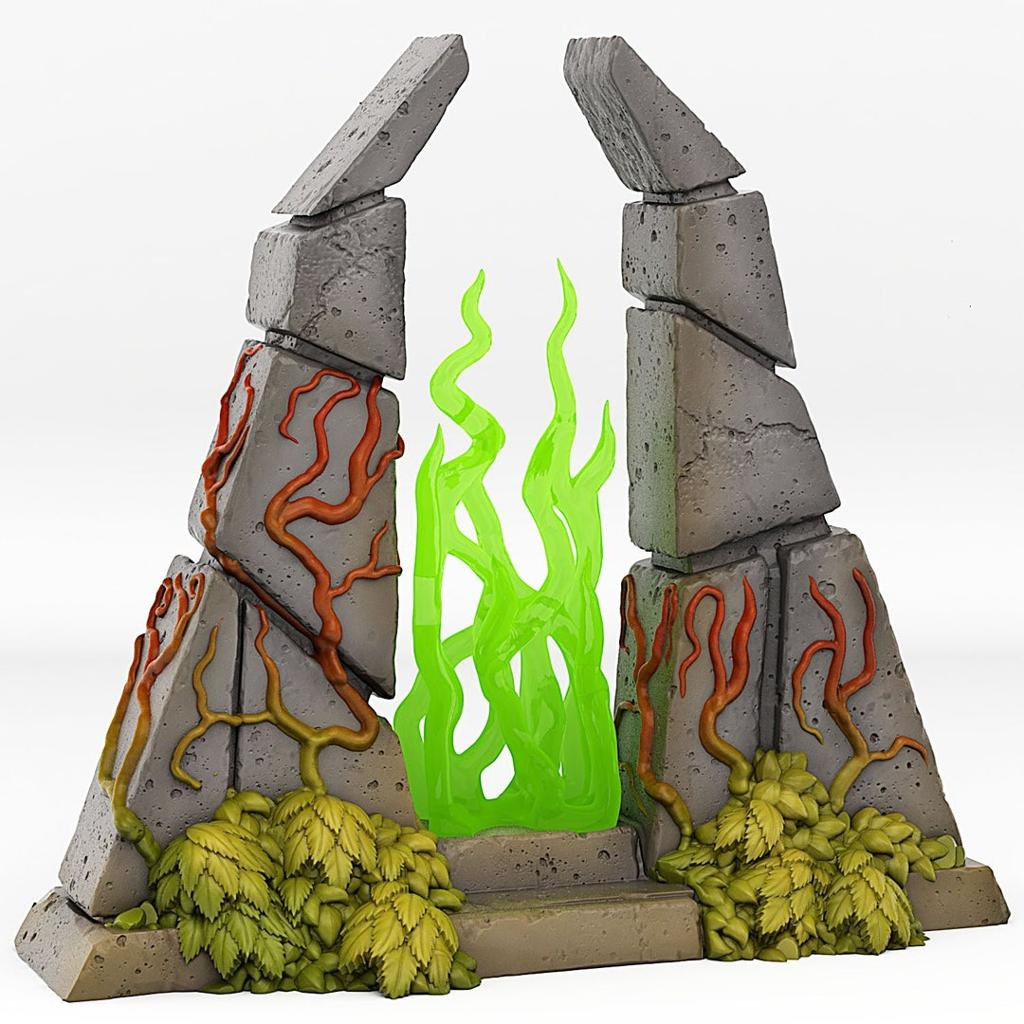
Energy doesn’t need to remain inside the portal.
Small glowing cracks can spread across surrounding stone.
Begin by painting a dark crack.
Then add a thinner saturated color inside it.
Finish with an extremely thin bright line.
For blue magic:
Dark Blue → Cyan → White
For demonic magic:
Dark Red → Orange → Yellow
Keep the cracks irregular.
Allow some to branch.
Make them brightest close to the portal and gradually darker farther away.
This creates the impression that magical energy is physically damaging the environment.
Adding Magical Particles
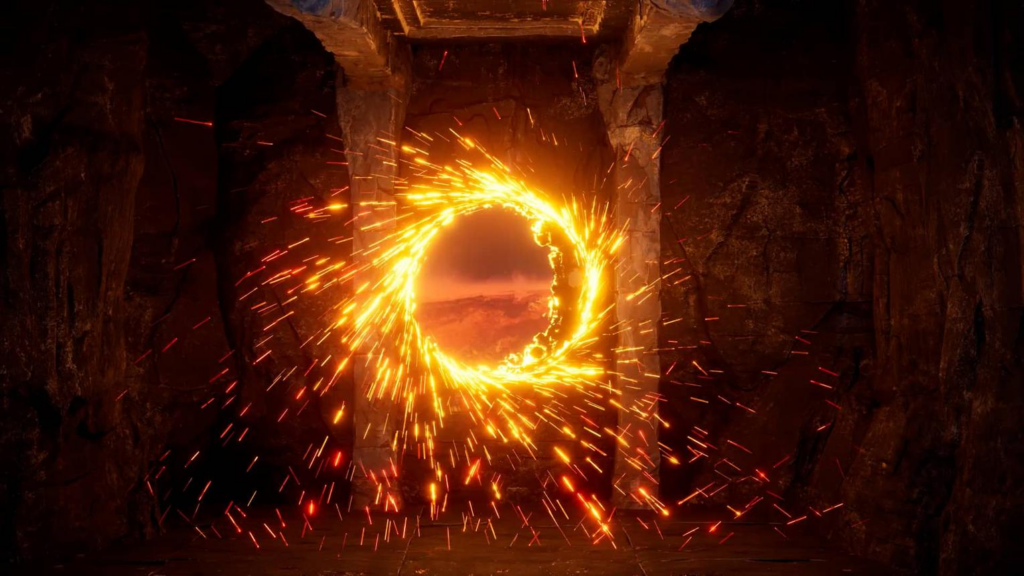
Small particles can make a portal feel unstable and alive.
Paint tiny dots around the opening.
Start with your main magical color.
Add smaller brighter dots.
Only a few should reach near-white.
Vary their size.
Some can appear directly beside the portal.
Others can float farther away.
Don’t distribute them evenly.
Clusters create a much more natural energy effect.
Physical particles can also be added using thin transparent supports on display pieces, but painted particles alone can already create a convincing result.
Painting Portal OSL
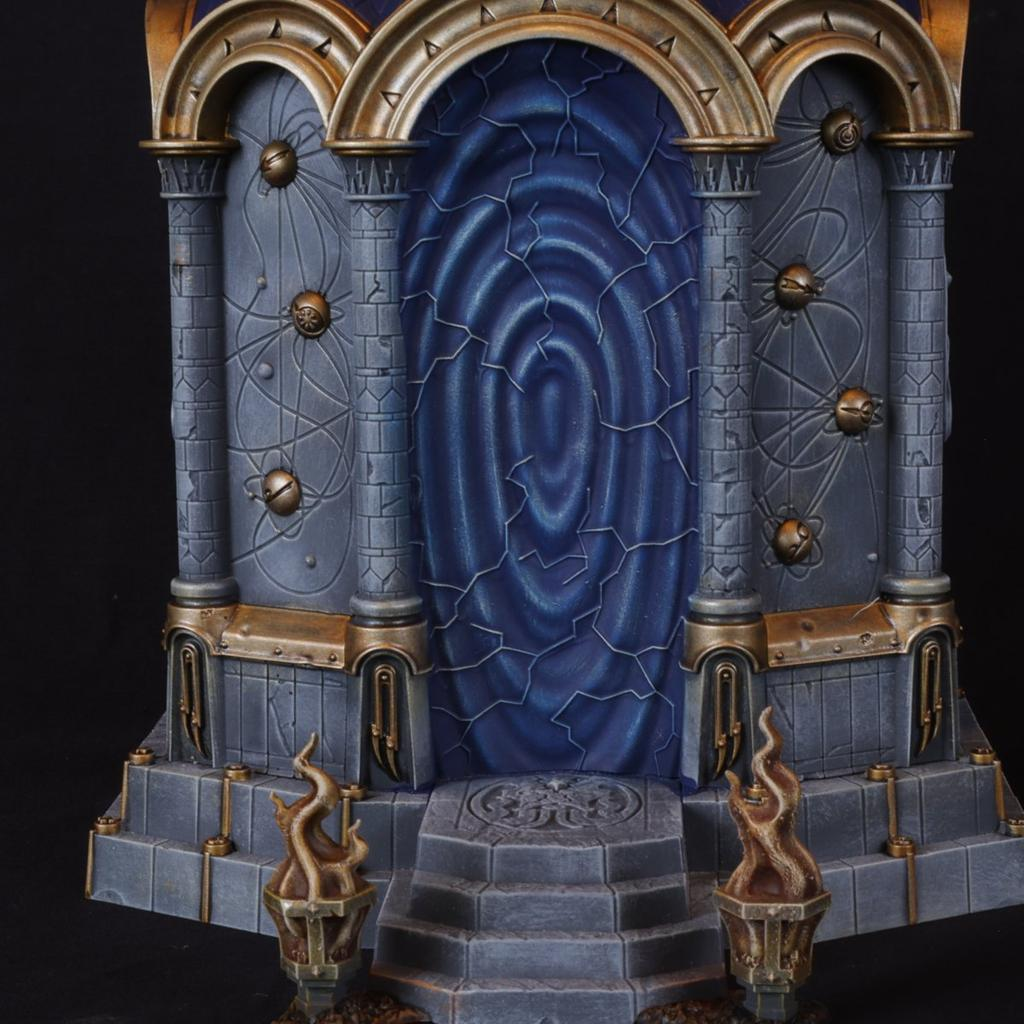
Object Source Lighting is what transforms a colorful portal into a luminous portal.
Imagine light physically traveling outward from the opening.
Surfaces facing the portal receive the strongest color.
Surfaces facing away should remain dark.
Start with very thin glazes.
For a blue portal, glaze blue over nearby stone, armor, clothing, and terrain.
Closer surfaces can receive turquoise.
Only areas extremely close to the source should approach cyan or white.
Keep the transition gradual.
The reflected light should always remain darker than the actual portal.
Lighting a Character from a Portal
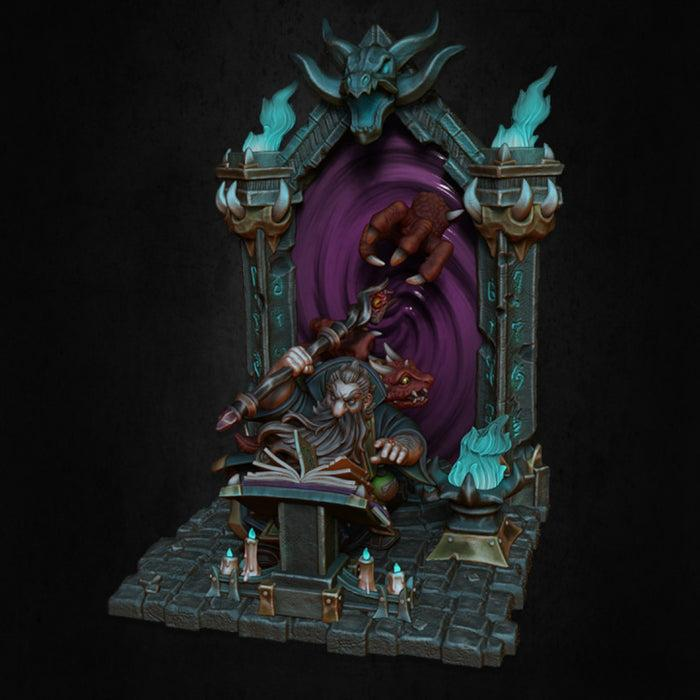
When a miniature stands directly in front of the portal, the lighting can become extremely dramatic.
Imagine the portal behind or beside the character.
Paint the normal miniature first.
Then identify which surfaces face the portal.
Apply thin glazes of the portal color.
Gradually increase the brightness closer to the source.
For example, a wizard standing beside a blue portal might receive turquoise highlights along one side of the robe, face, staff, and armor.
The opposite side should remain darker.
This warm-versus-cold or light-versus-shadow contrast can create an extremely cinematic miniature.
Painting a Creature Emerging from a Portal
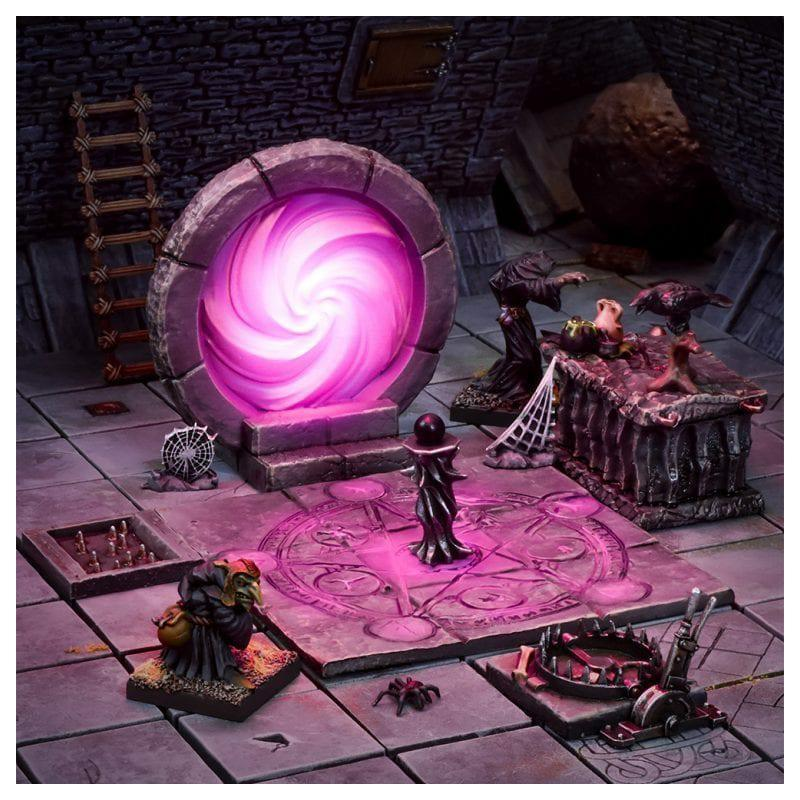
A creature stepping through a portal offers excellent storytelling.
The sections closest to the opening should receive strong reflected light.
Parts farther away can return gradually to their normal colors.
For example, a demon emerging from a red portal might have orange-red light across its back while its face remains in darker natural tones.
You can also hide part of the creature inside the portal.
This creates the illusion that it hasn’t fully entered the world yet.
Mist and energy around the transition point can make the effect even stronger.
Creating a Portal Inside Ancient Ruins
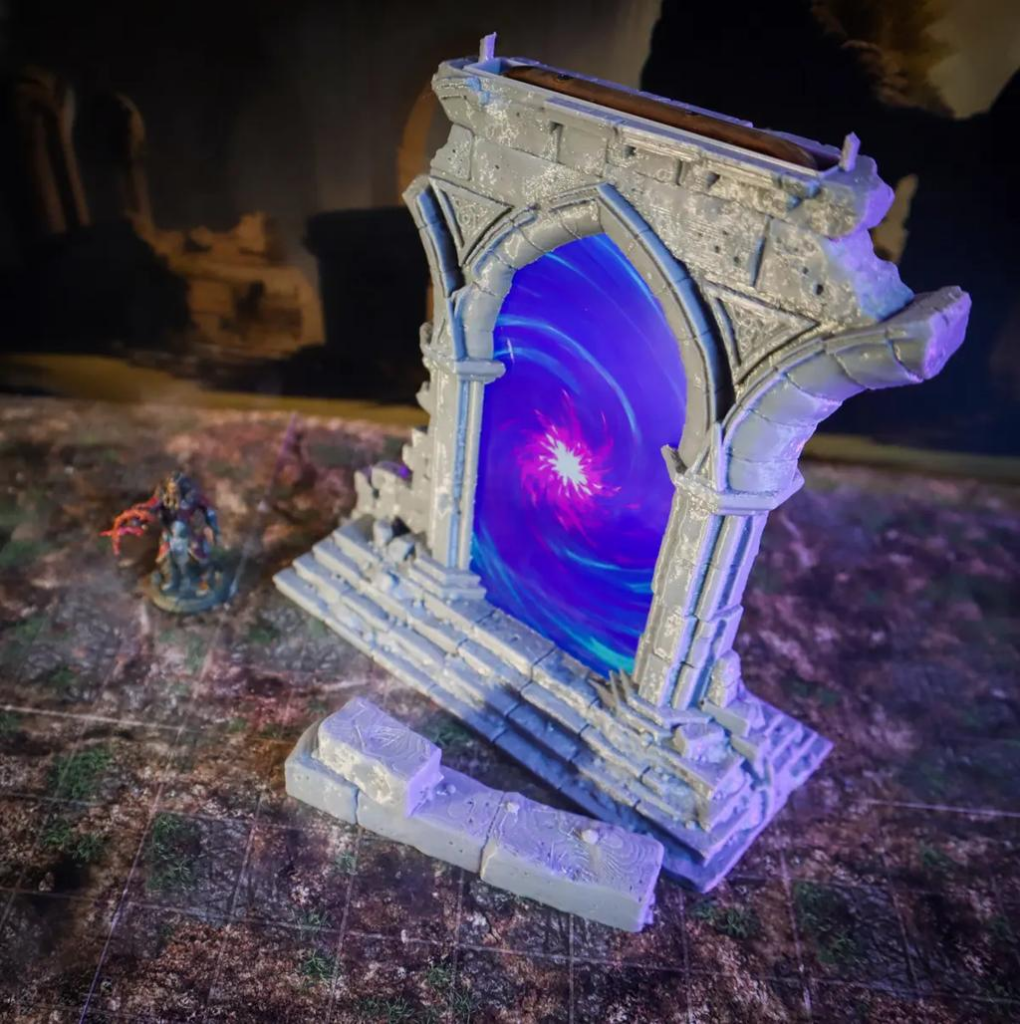
Portals look particularly convincing when surrounded by environmental storytelling.
Use broken stone.
Add ancient pillars.
Scatter debris.
Paint cracks around the structure.
Introduce moss or weathering.
Then contrast these muted natural materials with intense magical colors.
A ruined grey stone gateway with bright turquoise energy creates excellent visual separation.
You can also make some nearby vegetation reflect the magical light.
The portal should feel like it physically exists inside the environment rather than simply sitting on top of it.
Creating a Portal on a Small Miniature Base
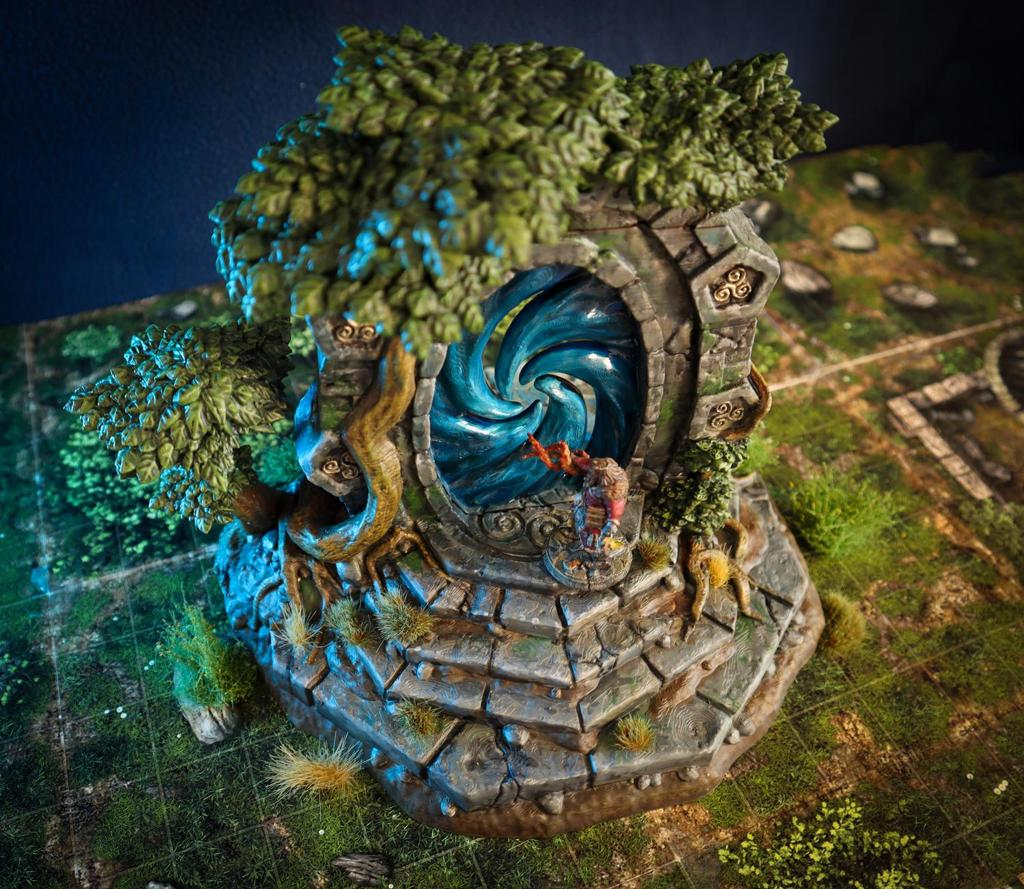
You don’t need a huge diorama.
Small portals can work on ordinary character bases.
A partial magical ring can rise behind the character.
A dimensional crack can appear beneath their feet.
A small portal can emerge from a spell effect.
Keep the design simple.
On a small base, one strong glowing color is usually enough.
Use high contrast and carefully controlled OSL.
Even a small portal can become the main visual focus of the miniature.
Common Mistakes When Painting Magical Portals
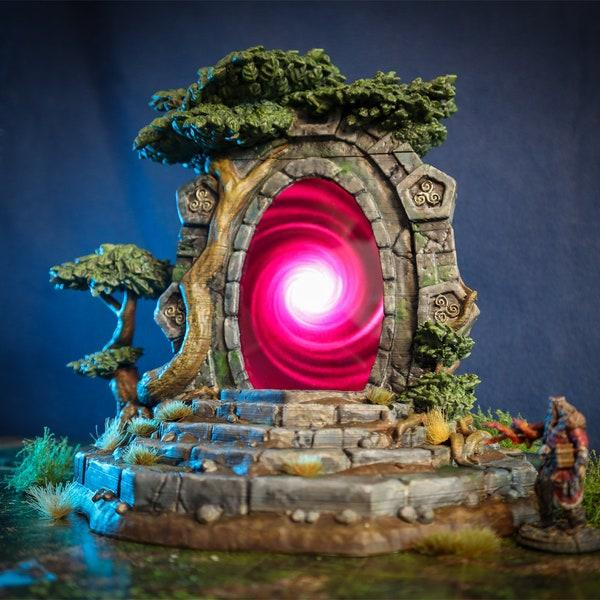
The biggest mistake is making the entire portal equally bright.
Without dark areas, the brightest highlights lose their impact.
Another common problem is using white too early.
Build saturation first.
White should appear only near the strongest energy.
Avoid spreading OSL equally across every surrounding surface.
Light should follow direction and distance.
Don’t make every energy line identical.
Vary thickness, length, and brightness.
Finally, remember that the environment needs to react to the portal.
A glowing portal surrounded by completely unaffected terrain rarely feels convincing.
Final Thoughts
A convincing magical portal is built through contrast, movement, depth, and environmental light.
Start dark.
Choose one dominant magical color.
Build progressively brighter energy toward selected areas.
Use curved lines and irregular patterns to create movement.
Add runes, cracks, particles, or mist when they support the story.
Then focus on the environment.
The portal’s light should affect nearby rocks, terrain, weapons, clothing, armor, monsters, and characters.
This reflected light is what makes the effect believable.
Blue and turquoise work beautifully for arcane portals.
Purple creates mysterious dimensional energy.
Green suggests necromancy or corruption.
Red and orange create demonic gateways.
White and gold produce celestial magic.
Once you understand the basic structure, you can combine colors and invent entirely new forms of magical energy.
A portal doesn’t simply decorate a miniature.
When painted effectively, it becomes the primary light source, atmosphere, and storytelling element of the entire scene.
Frequently Asked Questions
What colors work best for a magical portal?
Blue, turquoise, purple, green, red, orange, white, and gold all work well depending on the type of magic you want to represent.
How do I make a portal look like it’s glowing?
Use extremely dark surroundings, build the portal toward near-white highlights, and reflect its color onto nearby surfaces.
Should the center of a portal be dark or bright?
Either can work. A dark center suggests a dimensional void, while a bright center suggests intense energy or light beyond the gateway.
How do I paint portal OSL?
Apply thin glazes of the portal color to surfaces facing the light, increasing brightness as they get closer to the portal.
How do I paint magical energy lines?
Use curved irregular lines, gradually making selected sections thinner and brighter.
How do I paint glowing runes around a portal?
Start dark, add saturated color, place a brighter line inside it, and finish selected points with near-white highlights.
How do I make a demonic portal look different from an arcane portal?
Use red, orange, and yellow instead of blue and turquoise, with darker cracks and aggressive fiery energy patterns.
Can I paint a portal on a small miniature base?
Yes. A partial portal, magical ring, or dimensional crack can create a strong effect without requiring a large diorama.
If you would like free D&D STL miniatures, visit our homepage and download yours now: