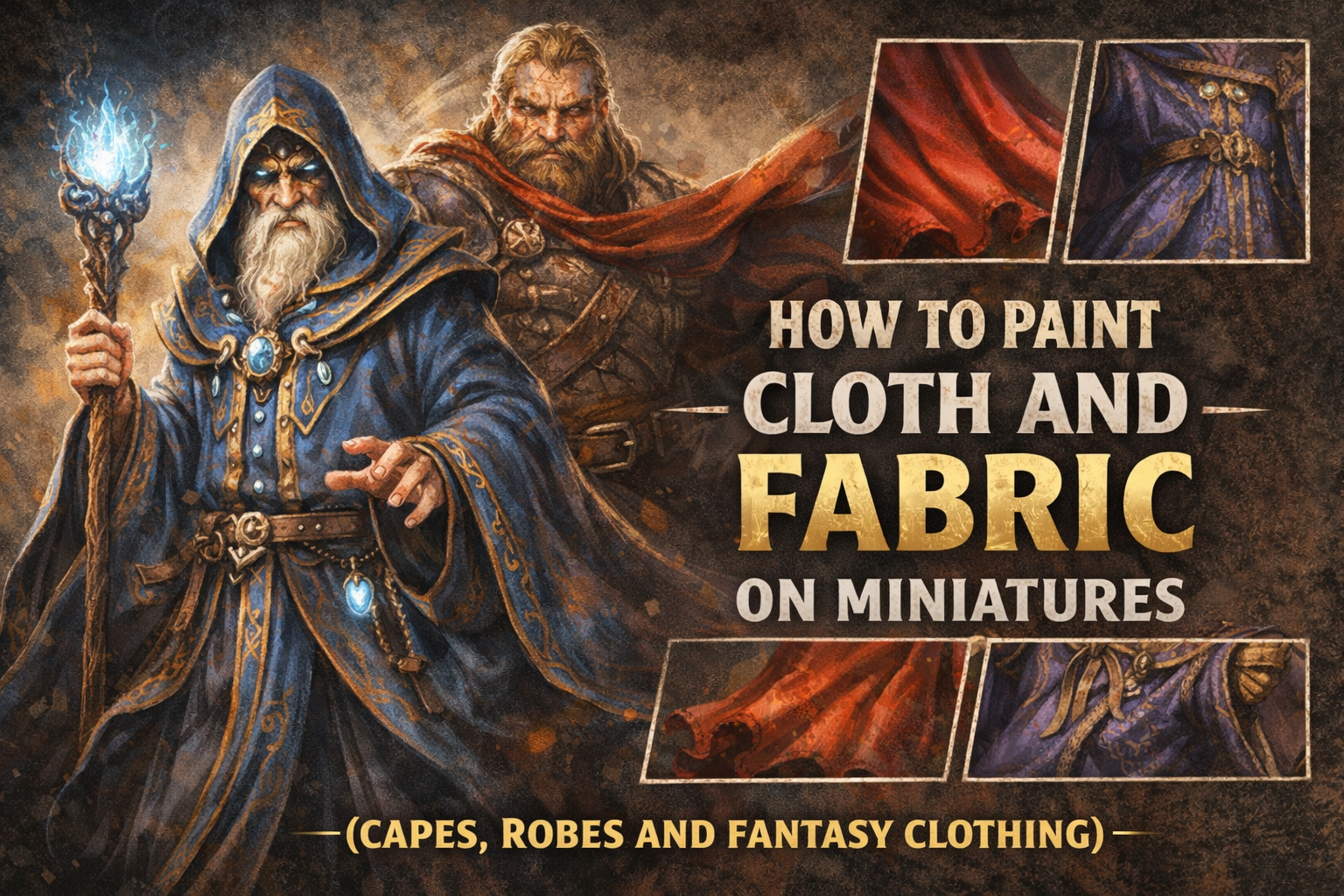
How to Paint Cloth and Fabric on Miniatures (Capes, Robes and Fantasy Clothing)
Painting cloth and fabric on miniatures is one of the most important skills in miniature painting. From flowing wizard robes to dramatic warrior capes and medieval tunics, fabric appears on almost every fantasy miniature.
Unlike armor or metal surfaces, cloth behaves very differently with light. Fabric folds create deep shadows and soft highlights, which means the painter must focus on smooth transitions and natural lighting.
When painted correctly, cloth adds elegance, movement, and realism to miniatures. A well-painted cloak can completely transform the appearance of a character on the tabletop.
In this guide, we will explore professional techniques used by miniature painters to paint realistic cloth textures for Dungeons & Dragons miniatures, Warhammer armies, and display-quality figures.
Understanding How Fabric Folds Work

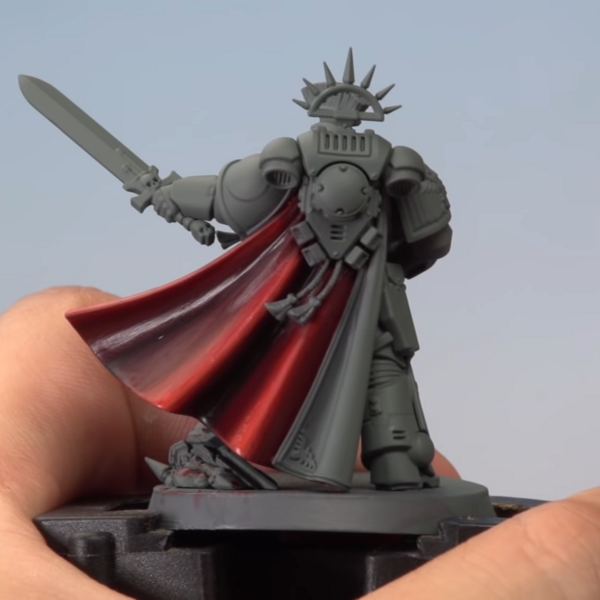
Before painting cloth, it is essential to understand how fabric behaves.
Cloth naturally forms folds and valleys, where light and shadow interact.
These folds create three main zones:
Deep shadows
The areas between folds where light barely reaches.
Midtones
The natural color of the cloth.
Highlights
The edges of folds where light hits the surface.
Unlike metal, cloth has soft transitions rather than sharp reflections.
When painting fabric, your goal is to create smooth gradients between these areas.
Many fantasy miniatures—especially Viking warriors and adventurers—feature heavy cloaks and layered clothing. If you’re painting characters with rugged gear and winter clothing, our guide on painting Viking miniatures for a winter-themed campaign explores similar fabric elements:
https://echoartstudios.net/how-to-paint-viking-miniatures-for-a-winter-themed-campaign
Understanding light placement is the foundation of convincing cloth painting.
Choosing Strong Color Palettes for Fabric
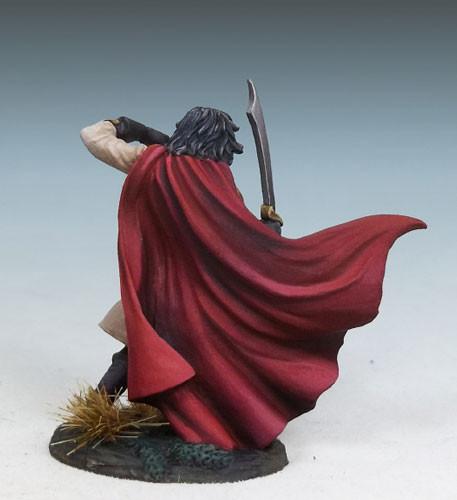
Color selection plays a major role in making cloth look realistic.
Instead of using a single color, professional painters work with three to five tones.
Example: Red Cloak Palette
Shadow:
Dark Burgundy
Midtone:
Deep Red
Highlight:
Scarlet
Final Highlight:
Orange Red
Example: Blue Robe Palette
Shadow:
Dark Navy
Midtone:
Royal Blue
Highlight:
Sky Blue
Final Highlight:
Light Blue
Example: Natural Cloth Palette
Shadow:
Dark Brown
Midtone:
Leather Brown
Highlight:
Tan
Final Highlight:
Ivory
Layering multiple tones gives cloth depth and richness.
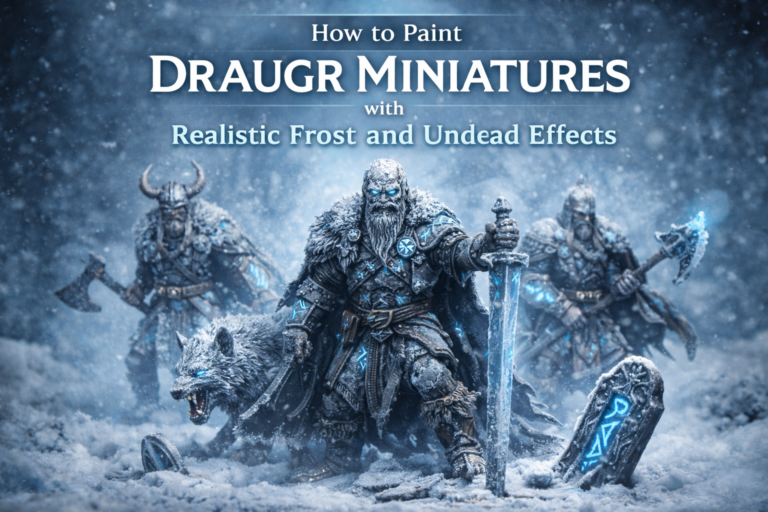
This approach is also used when painting complex fantasy creatures. For example, layering techniques are also important when creating undead effects, as shown in this tutorial on painting Draugr miniatures with frost and undead textures:
https://echoartstudios.net/how-to-paint-draugr-miniatures-with-realistic-frost-and-undead-effects
Even though the subject is different, the principle of building smooth transitions between colors remains the same.
Step-by-Step Guide to Painting Cloaks
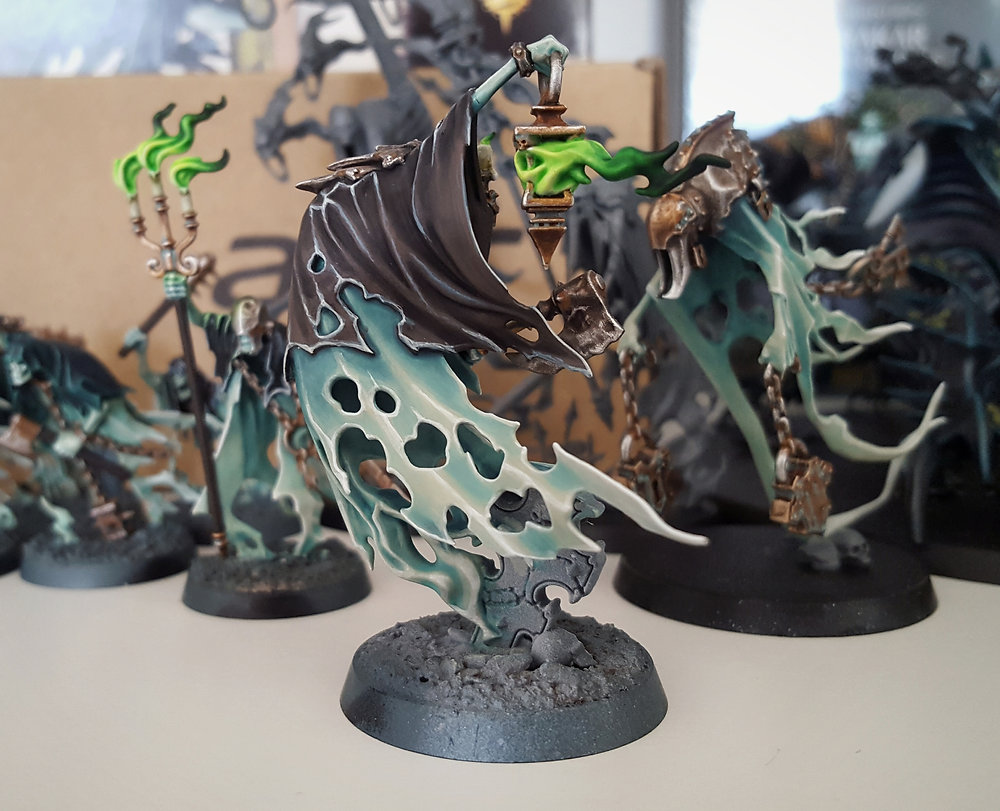
Now let’s walk through a practical method for painting fabric cloaks.
Step 1 – Basecoat
Start with your midtone color.
Apply thin coats so the details of the sculpt remain visible.
Step 2 – Add Shadows
Mix your base color with a darker tone.
Apply this color inside folds and deep areas of the cloak.
Focus on:
- Areas under arms
- Deep cloth valleys
- Lower folds
This creates depth and contrast.
Step 3 – Layer Midtones
Return to the base color and apply it to raised areas.
This restores the natural cloth color.
Step 4 – Add Highlights
Mix a lighter tone into your base color.
Apply highlights to:
- Tops of folds
- Edges of cloth
- Raised surfaces
Use thin layers to build smooth transitions.
Step 5 – Final Edge Highlights
Add a small amount of a very light tone to your highlight color.
Apply this only to the sharpest fold edges.
This final step makes the cloak stand out on the tabletop.
Painting Wizard Robes and Fantasy Garments
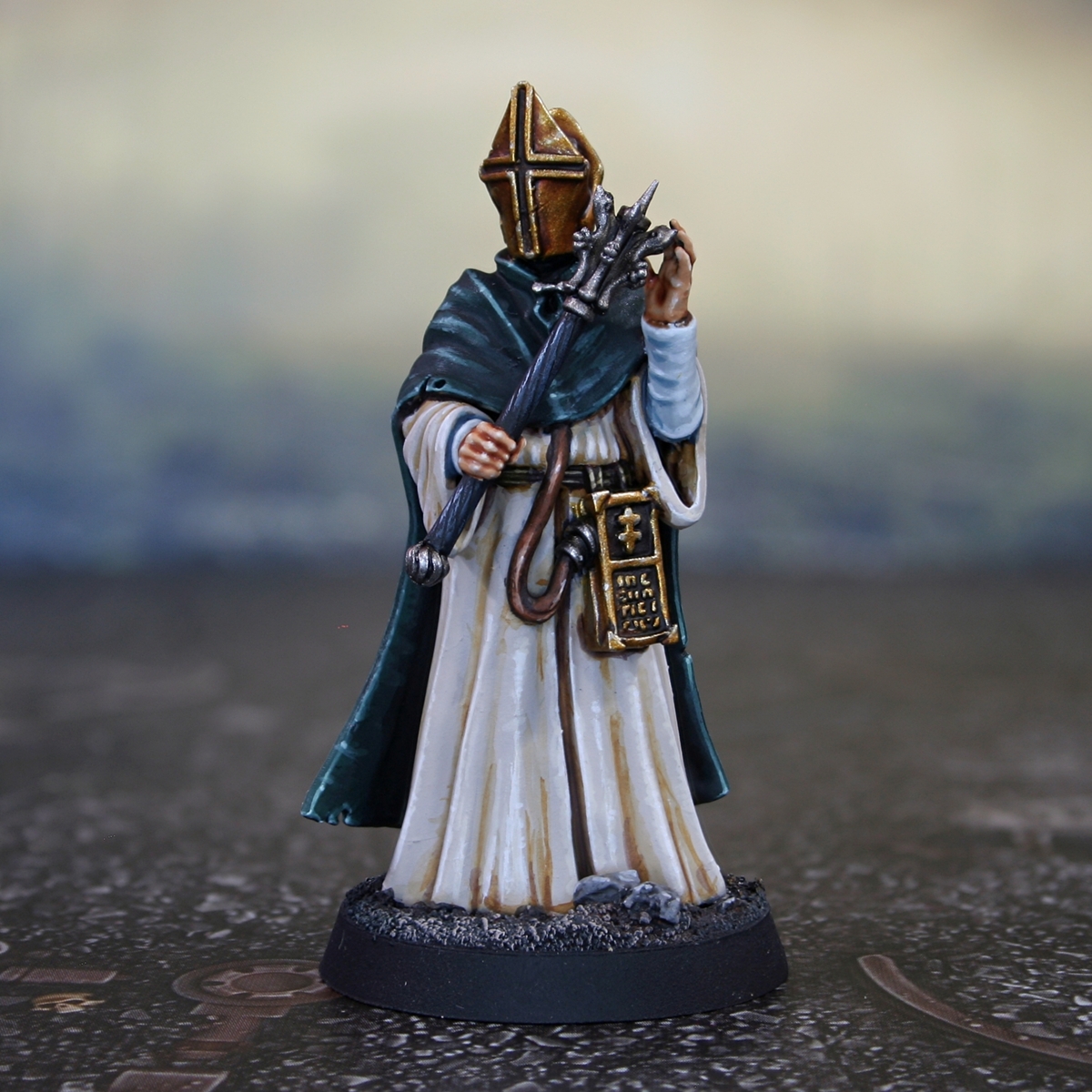
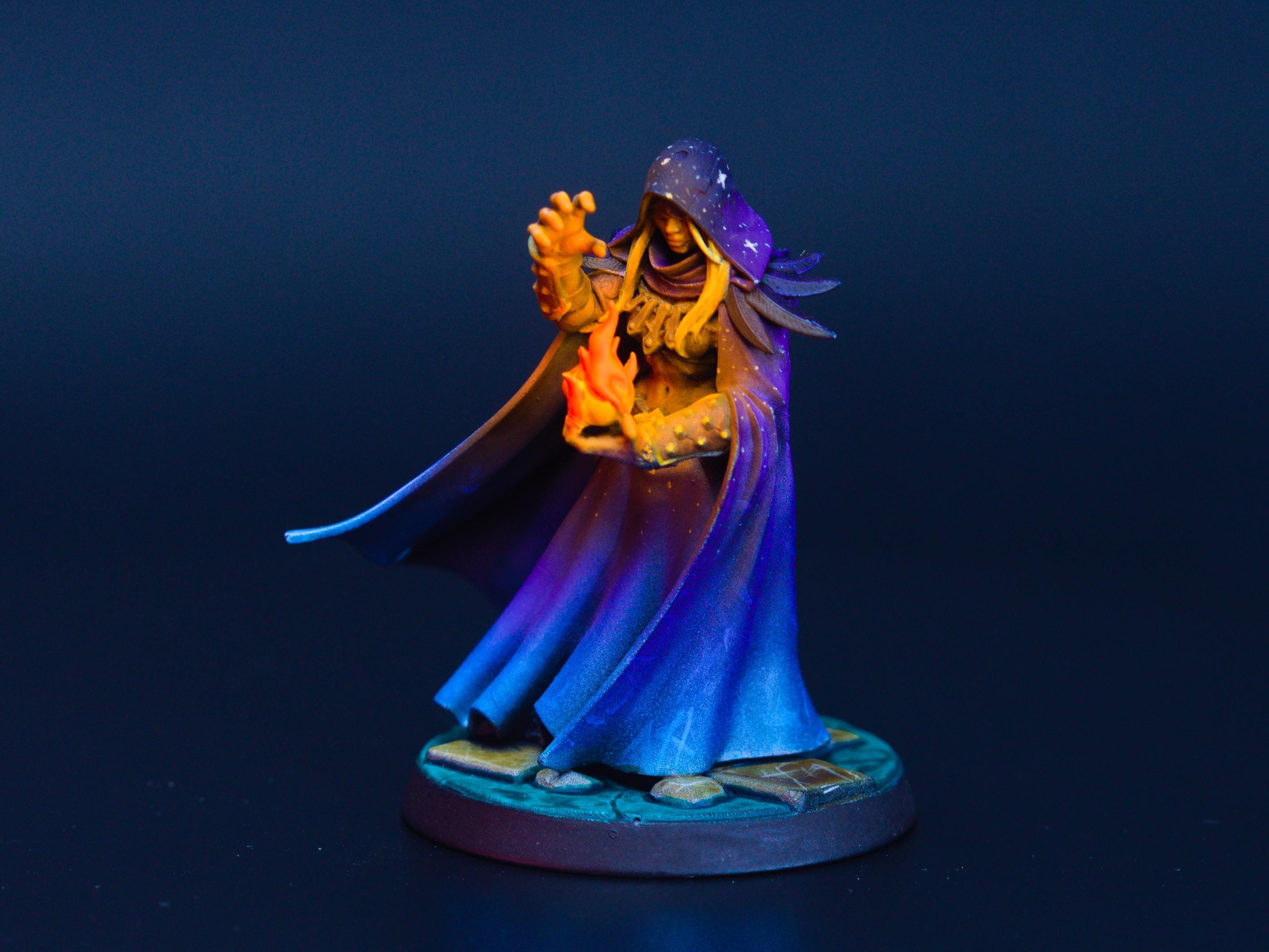
Wizard robes and ceremonial garments require slightly different techniques.
Because these robes are often large and flowing, they benefit from smooth blending techniques.
Glazing Technique
Glazing involves using extremely thin paint to smooth transitions between colors.
- Thin the paint heavily with water or medium.
- Apply transparent layers over transitions.
- Repeat until the gradient becomes smooth.
This technique creates the elegant fabric appearance often seen in display miniatures.
Adding Magical Details
Fantasy robes often include:
- glowing runes
- decorative trim
- magical patterns
These details add personality to wizard miniatures and help them stand out on the tabletop.
Advanced Techniques for Realistic Fabric
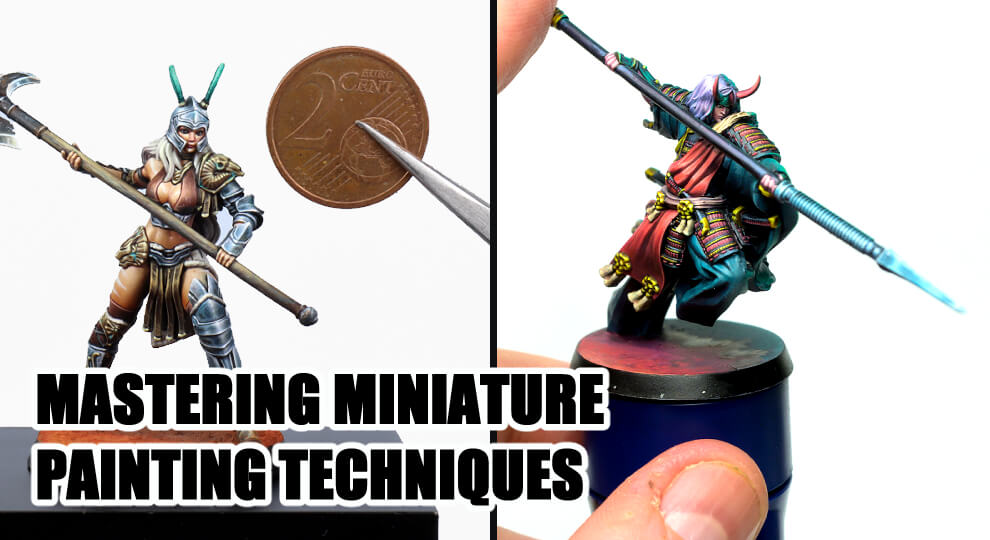
Once you master the basic layering method, you can explore more advanced techniques.
Wet Blending
This technique involves blending two colors directly on the miniature while the paint is still wet.
It creates extremely smooth transitions.
Feathering
Feathering uses small strokes to blend edges between layers.
It works especially well on large capes.
Color Temperature Variation
Adding subtle tones like:
- Purple in shadows
- Orange in highlights
creates richer fabric colors.
If you want to push your miniature painting further, you can explore additional professional techniques in this guide on advanced Warhammer miniature painting methods:
https://echoartstudios.net/advanced-techniques-for-painting-warhammer-40000-miniatures-from-intermediate-to-professional-level
Painting Fabric Quickly for Large Armies

When painting large armies, spending hours on every cloak isn’t practical.
Instead, use simplified methods.
Fast Fabric Method
- Basecoat the cloth color
- Apply a dark wash
- Drybrush a lighter tone
- Add quick edge highlights
This method produces convincing fabric quickly.
Efficient painting methods are essential when working on large Warhammer forces. Our guide on speed painting Warhammer 40K miniatures explores techniques that help painters complete entire armies faster while maintaining quality:
https://echoartstudios.net/speed-painting-warhammer-40000-miniatures-paint-armies-fast-without-losing-quality
Common Mistakes When Painting Cloth
Even experienced painters sometimes struggle with cloth.
Here are common mistakes to avoid.
Highlights Too Large
Highlights should follow the edges of folds, not cover entire surfaces.
Insufficient Contrast
Deep shadows make fabric folds more visible.
Rough Transitions
Cloth should have soft gradients, not sharp lines.
Ignoring Light Direction
Always imagine where the light source is located.
This helps place highlights correctly.
Final Thoughts
Cloth and fabric are essential elements in fantasy miniature painting. From dramatic capes and wizard robes to simple medieval tunics, mastering cloth techniques helps bring characters to life.
By understanding how fabric folds interact with light and learning how to build smooth color transitions, you can dramatically improve the realism of your miniatures.
Whether you’re painting a single Dungeons & Dragons hero or an entire Warhammer army, these techniques will help you create convincing fabric that enhances the visual storytelling of your models.
With patience and practice, even simple cloaks can become stunning focal points on the tabletop.
If you would like free D&D STL miniatures, visit our homepage and download yours now:
https://echoartstudios.net/