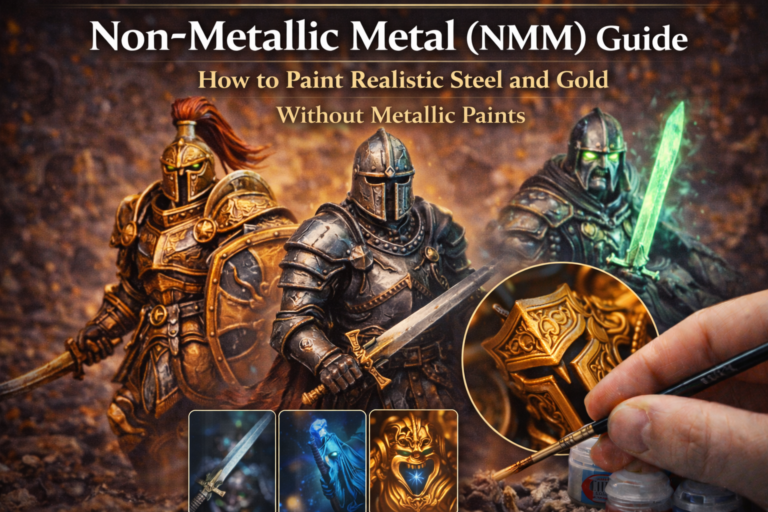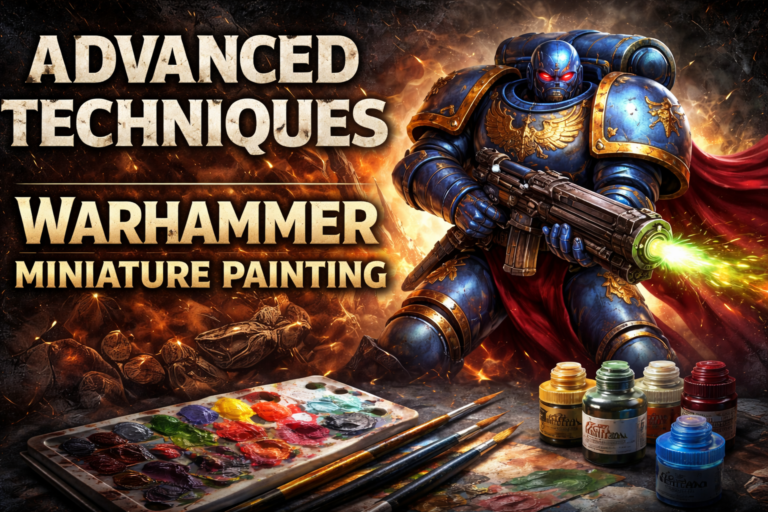
The Ultimate Guide to Painting Warhammer 40,000 Miniatures
Painting Warhammer 40,000 miniatures is one of the most rewarding parts of the hobby. More than just applying color, painting defines the identity of your army, enhances immersion on the tabletop, and turns simple models into powerful visual statements. In this ultimate guide to painting Warhammer 40,000 miniatures, you will learn a complete, structured workflow — from preparation to final details — used by both beginners and professional miniature painters.
This guide was designed as a pillar SEO article, offering timeless knowledge that applies whether you are painting your first squad or refining an entire army to a high standard.
Why painting matters so much in Warhammer 40,000
In Warhammer 40,000, painted miniatures dramatically improve the overall experience. A well-painted army looks cohesive, intimidating, and far more immersive during gameplay. Many events and tournaments also require fully painted armies, making painting an essential part of the hobby.
Beyond gameplay, painting:
- Gives personality to your army
- Helps distinguish units on the battlefield
- Increases the value of your collection
- Develops artistic and technical skills
A solid painting process ensures consistent and satisfying results.
Preparing your miniatures: the foundation of good painting
Proper preparation is the most overlooked step by beginners, yet it has the greatest impact on final quality.
Start by removing mold lines and imperfections using a hobby knife or fine sanding sticks. These lines become very noticeable once paint is applied.
Next, wash the miniatures in warm water with mild soap to remove any manufacturing residue. This helps primer adhere properly.
Finally, consider sub-assemblies. Leaving arms, weapons, or backpacks separate often makes painting difficult areas much easier.

Priming: creating the perfect surface for paint
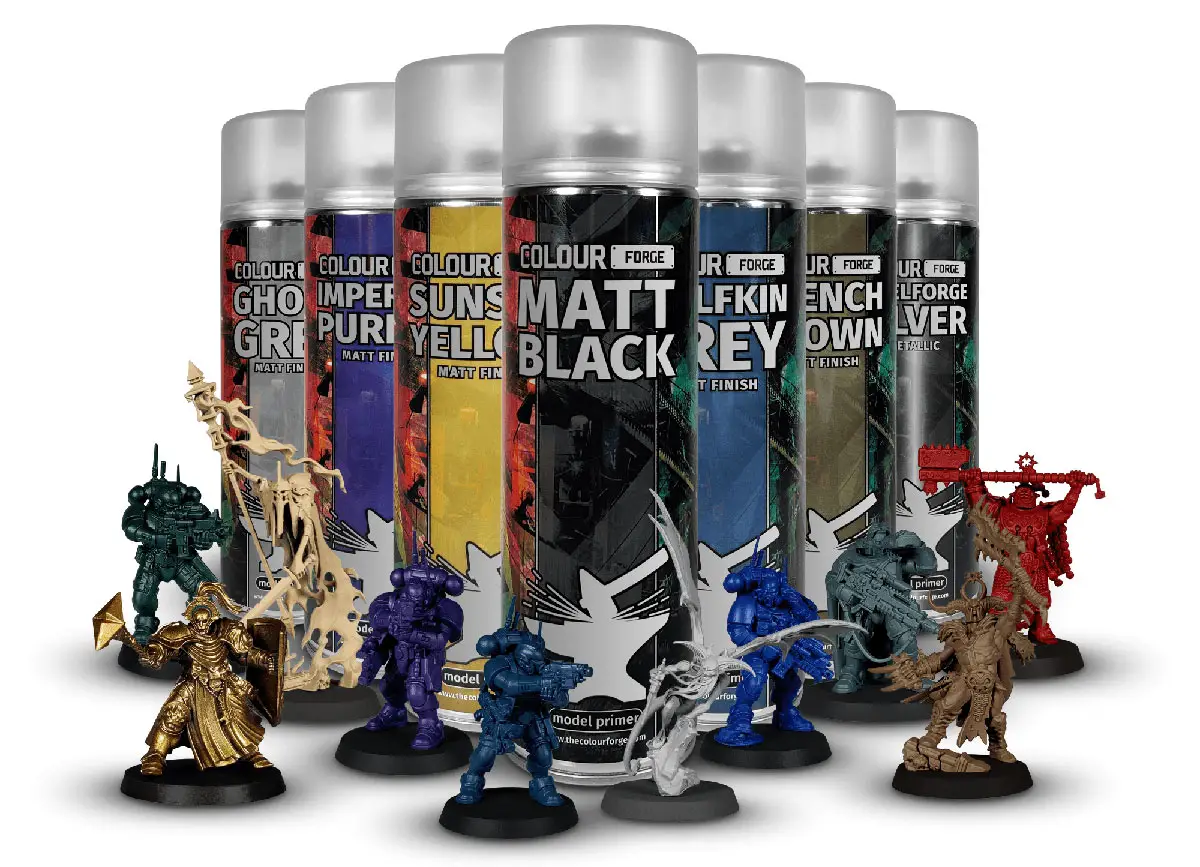
Primer allows paint to stick to the miniature and protects it from chipping during handling.
Common primer choices include:
- Black primer for darker schemes and natural shadows
- White primer for bright, vibrant colors
- Grey primer for balanced results
- Zenithal priming, combining black and white for lighting guidance
Always apply primer in thin, controlled coats to preserve detail.
Choosing paints and essential tools
Using the right tools makes the painting process smoother and more enjoyable.
Acrylic paints designed for miniatures offer fine pigments and controlled flow. Always thin your paints slightly to avoid obscuring details.
Essential brushes include:
- A medium brush for base coating
- A fine brush for details
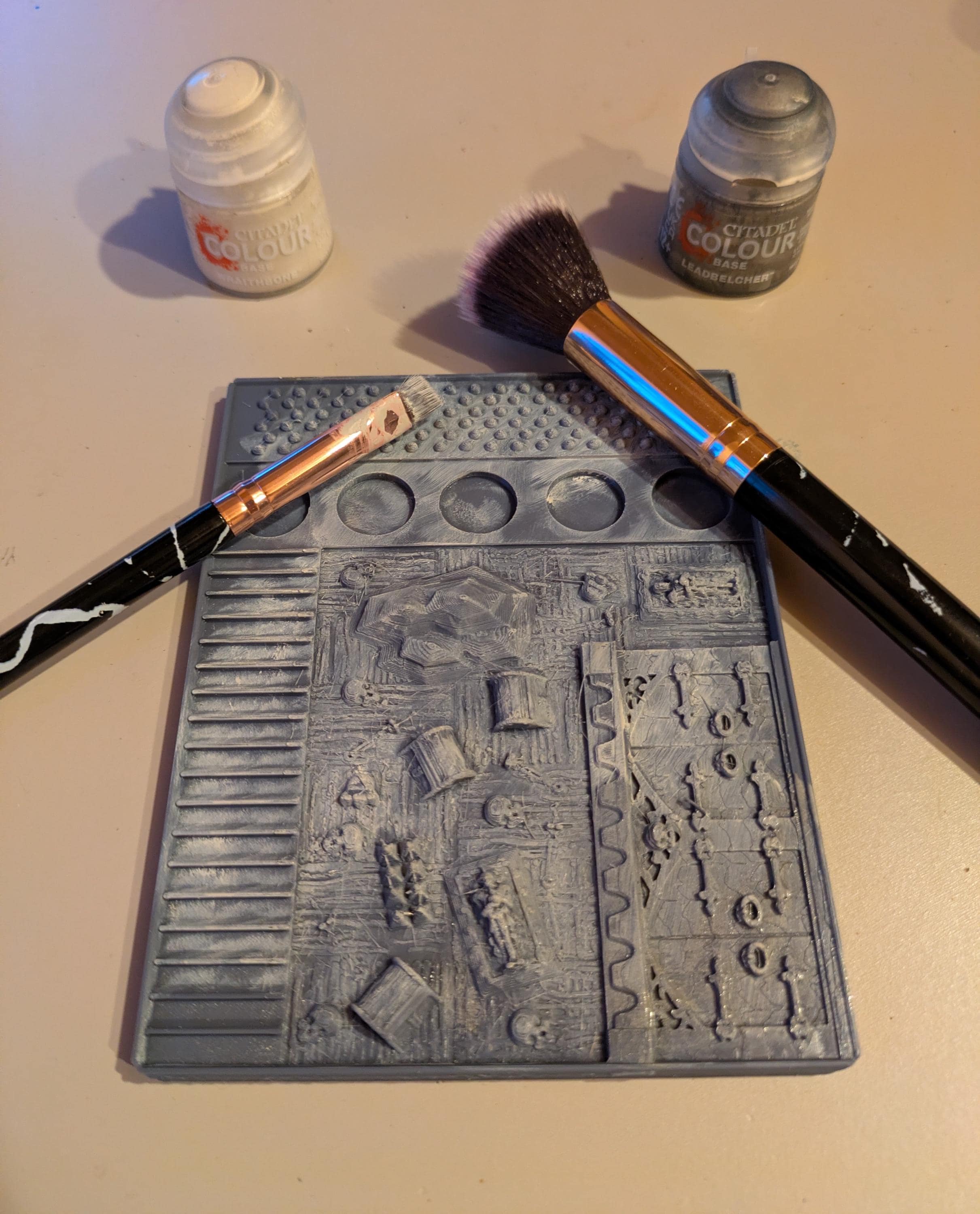
- An older brush for drybrushing
Other useful tools are a wet palette, good lighting, and paper towels.

Base coating: establishing your color scheme
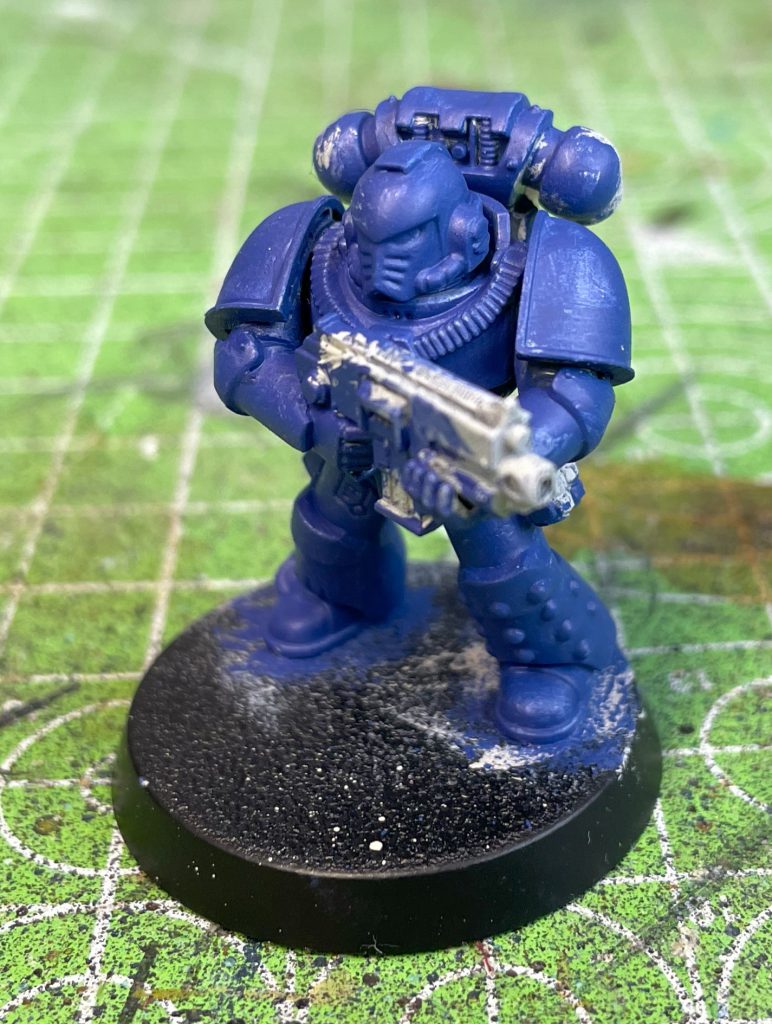
Base coating is the process of laying down the main colors of the miniature.
Focus on:
- Thin, even layers
- Clear separation between different materials
- Consistent colors across the army
Two or three thin coats are always better than one thick coat.
Washes and shading: adding depth and realism
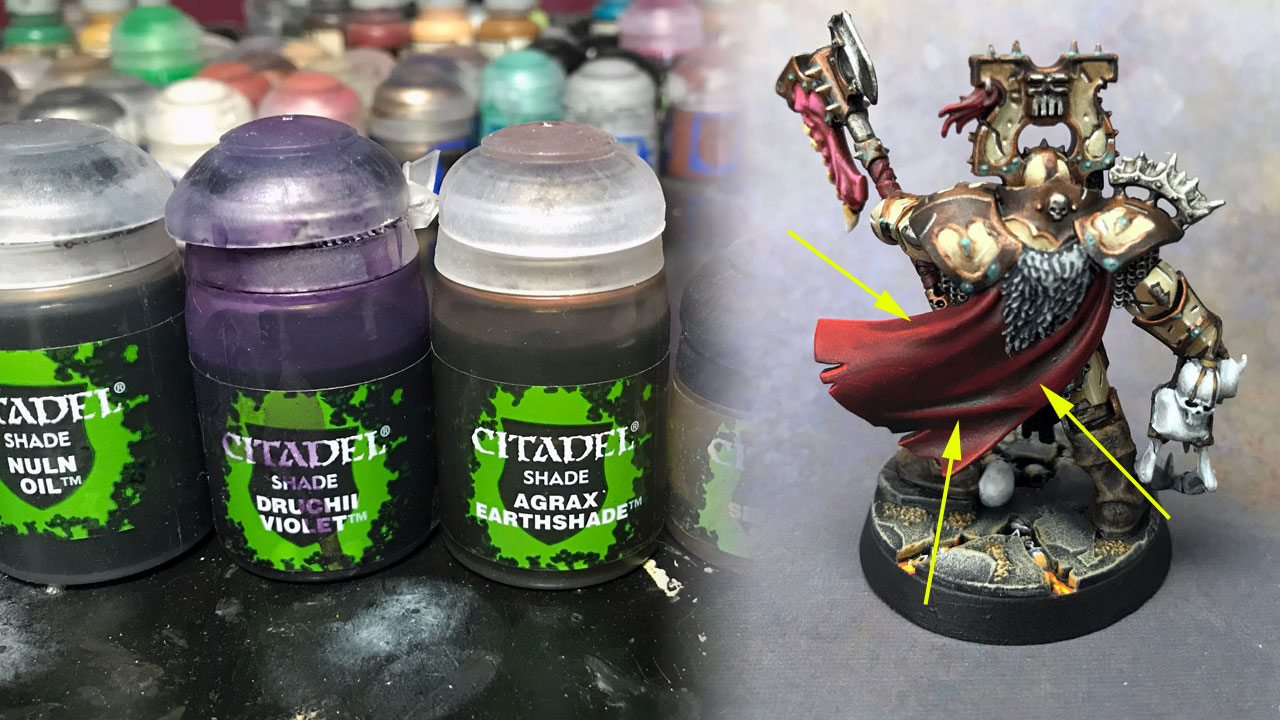
Washes are highly diluted paints that flow into recesses, creating shadows and depth.
Apply washes carefully and remove excess pooling with a clean brush. Let the wash dry completely before continuing.
This step transforms flat base colors into detailed, readable miniatures.
Layering and highlights: bringing the miniature to life
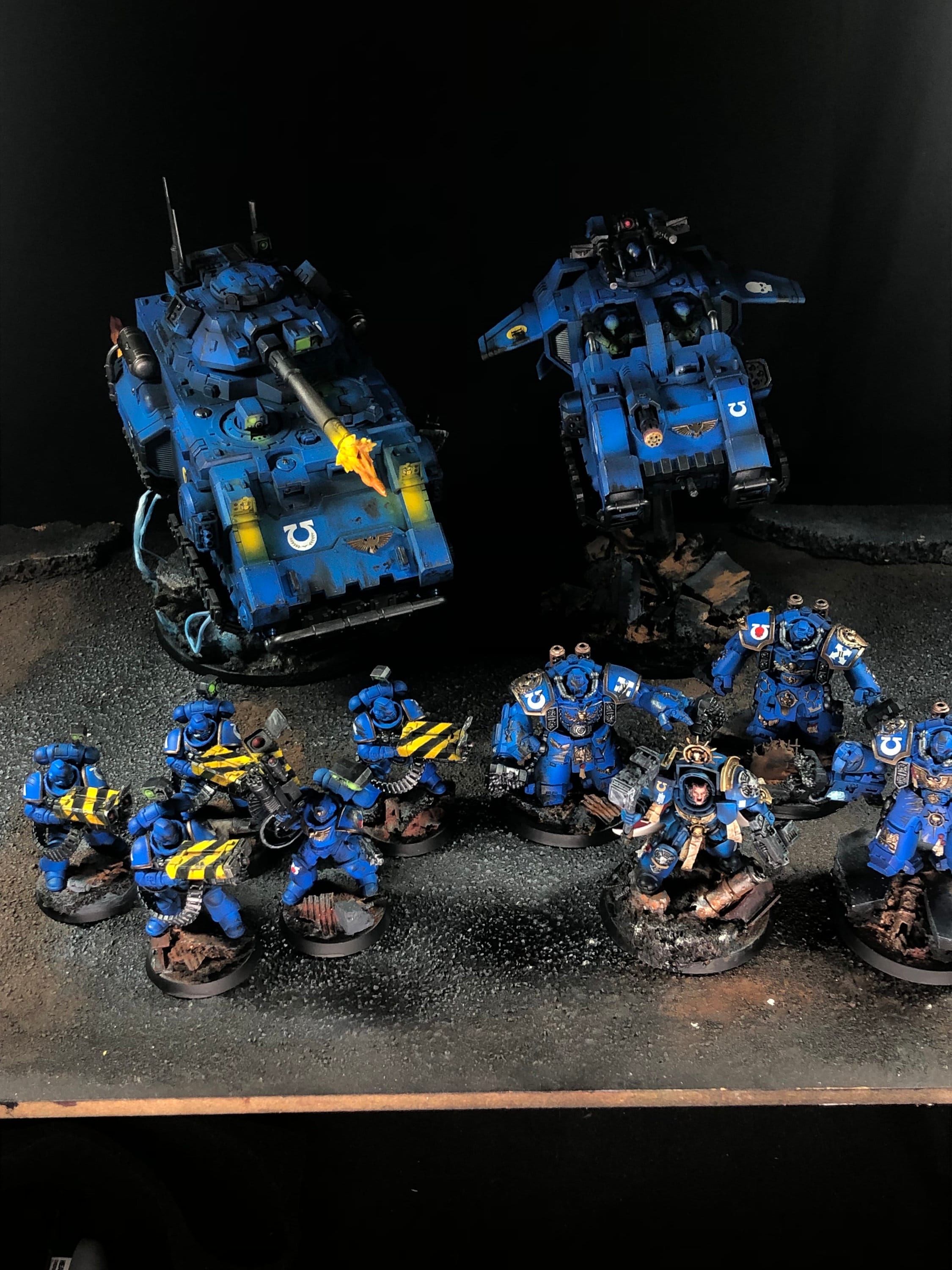
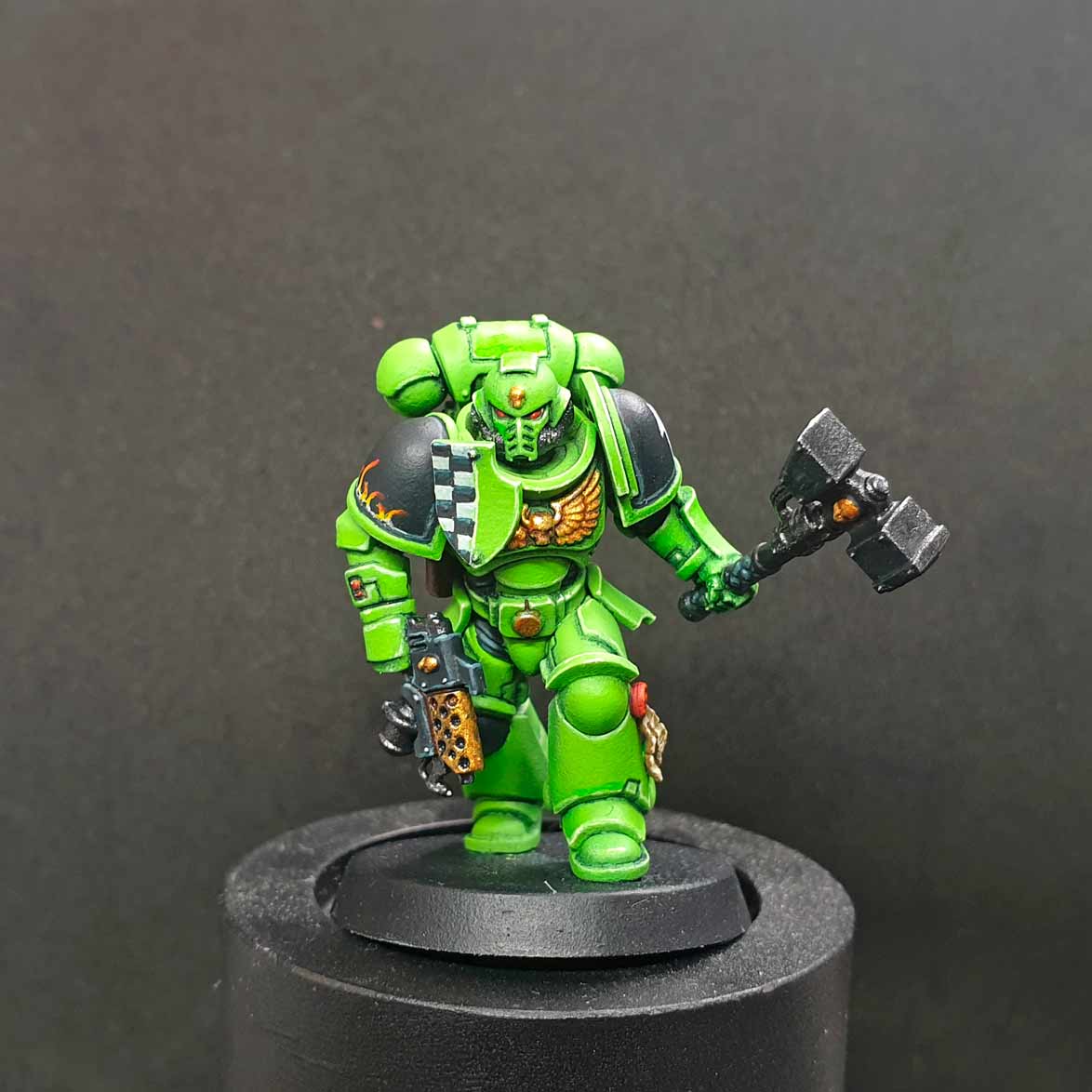
After shading, highlights restore light to raised areas and edges.
Layering uses progressively lighter tones to build smooth transitions, while highlights emphasize edges and light-facing surfaces.
Together, these techniques define shapes and make details stand out on the tabletop.

Drybrushing: fast and effective for armies
Drybrushing is a fast technique ideal for textured surfaces and large armies.
It works especially well on:
- Fur and skin
- Stone and debris
- Bases
Use minimal paint on the brush and light strokes for best results.
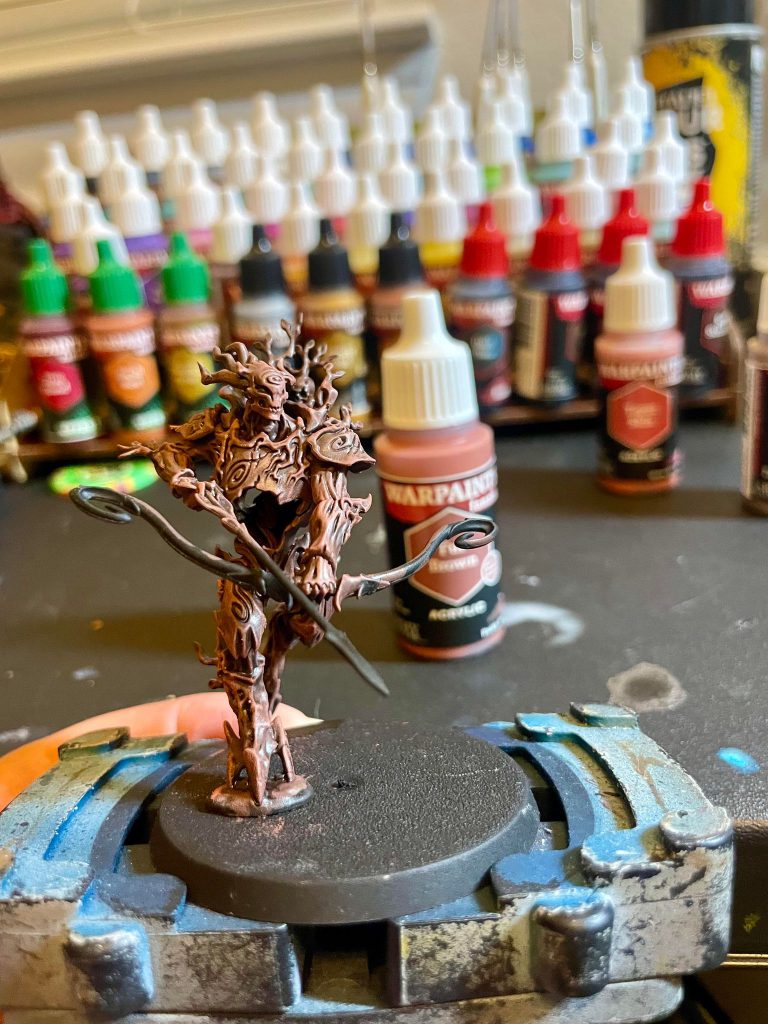
Fine details: faces, weapons, and symbols
Details are what elevate a miniature from tabletop-ready to impressive.
Simple eyes, clean weapon highlights, and subtle wear on symbols add realism without overwhelming the model.
Take your time and focus on areas that naturally draw attention.

Basing: completing the miniature
A well-designed base grounds the miniature in the Warhammer 40,000 universe.
Popular base themes include:
- Ruined cities
- Ash-covered battlefields
- Industrial environments
- Snow or mud
Always finish the base rim cleanly for a professional look.

A professional workflow for painting armies
To paint multiple miniatures efficiently:
- Paint in batches
- Use a fixed color scheme
- Repeat each step across all models
- Add extra detail only to leaders and characters
This approach balances speed and quality.
Common mistakes to avoid
- Using thick, undiluted paint
- Skipping primer
- Overusing washes
- Leaving bases unfinished
Avoiding these mistakes will dramatically improve your results.
Conclusion: mastering Warhammer 40,000 miniature painting
Painting Warhammer 40,000 miniatures is a skill that improves with method and consistency. By following a structured workflow — preparation, priming, base coating, shading, highlighting, and finishing — anyone can achieve strong, satisfying results.
This guide provides the foundation needed to progress from beginner to confident painter, creating armies that look cohesive, immersive, and visually striking on the battlefield.