How to Paint Goblin and Orc Skin on Miniatures (Realistic Fantasy Skin Guide)
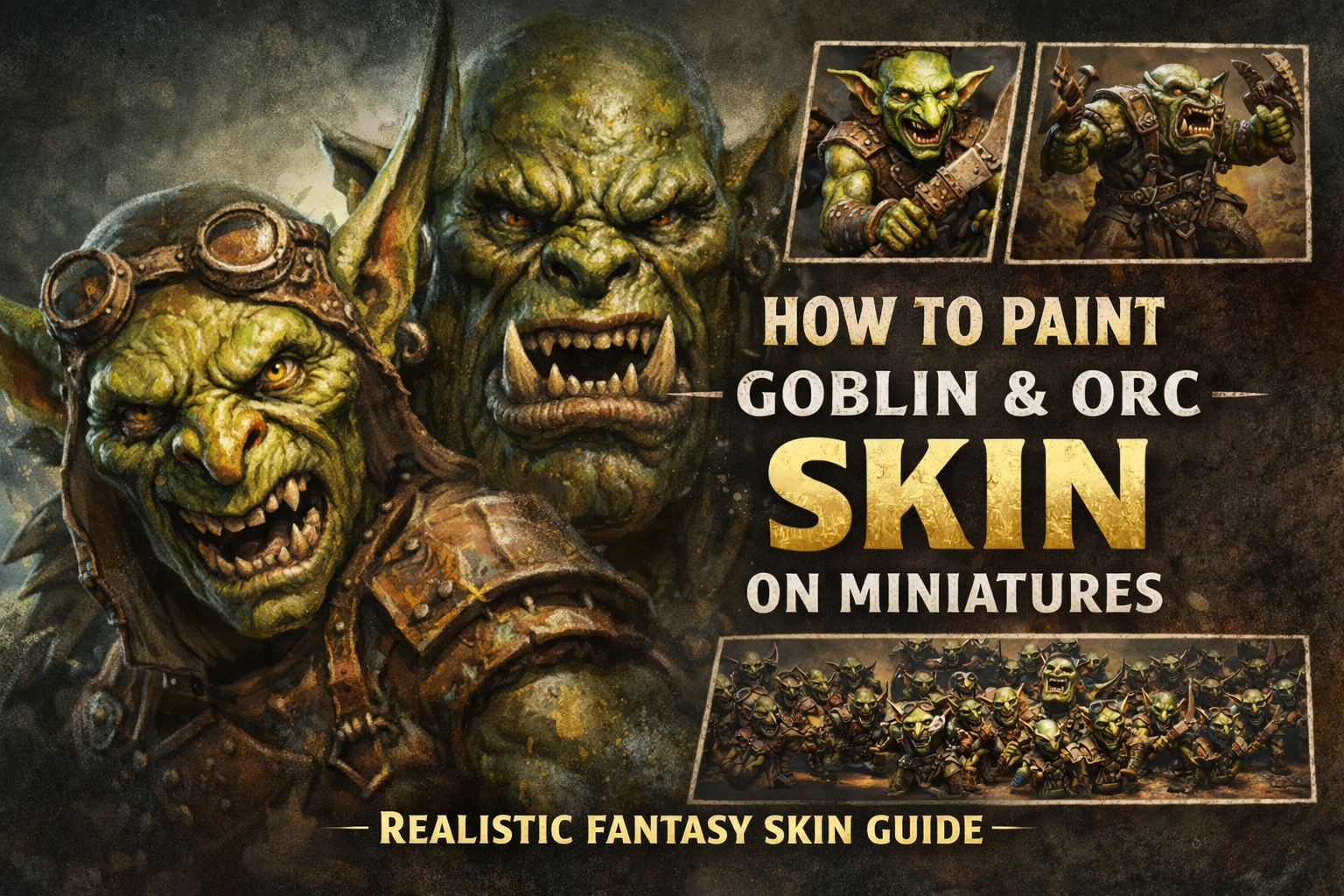
Painting goblin and orc skin on miniatures is one of the most iconic aspects of fantasy miniature painting. Whether you are working on a savage Orc warband for a tabletop battle or a cunning Goblin rogue for a Dungeons & Dragons campaign, the skin tone is often the defining feature of the miniature.
Unlike human skin tones, goblins and orcs allow miniature painters to experiment with vibrant greens, earthy tones, dark shadows, and dramatic highlights. When painted correctly, these creatures look powerful, wild, and full of personality on the tabletop.
In this guide, we will explore professional techniques used by experienced miniature painters to create realistic and visually striking goblin and orc skin. These techniques work perfectly for D&D miniatures, Warhammer armies, and high-detail resin models.
Understanding Orc and Goblin Skin Tones
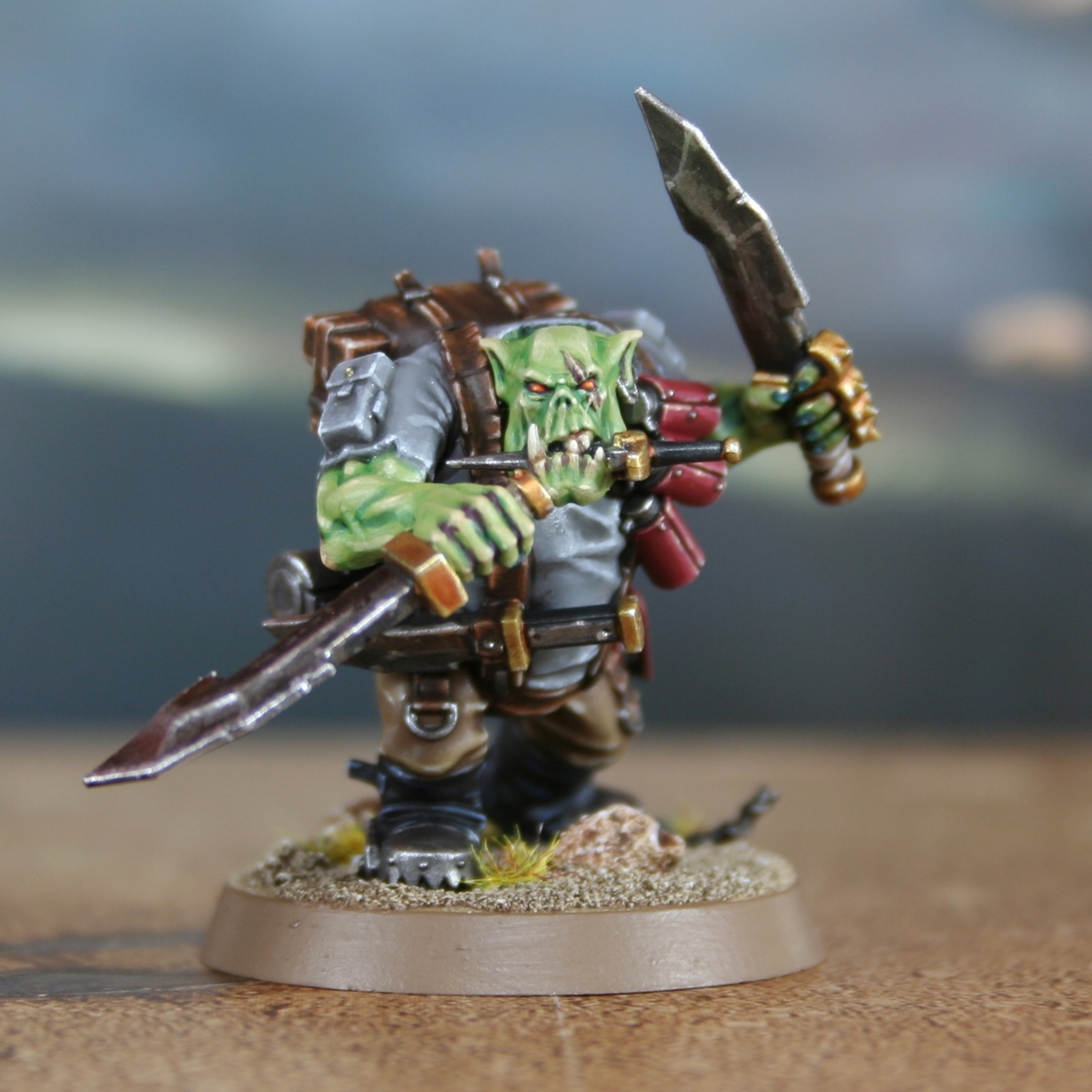
Before starting to paint, it helps to understand the visual differences between goblins and orcs in fantasy art.
Goblin Skin
Goblins are usually depicted with:
- Lighter green tones
- Yellow-green highlights
- Thin skin texture
- Sharp facial features
Their skin often looks sickly or mischievous, emphasizing their sneaky nature.
Orc Skin
Orcs usually have:
- Darker green tones
- Brown or olive shadows
- Thick rugged skin
- Strong facial structure
Their skin should look tough, battle-hardened, and powerful.
Understanding these differences helps guide your color choices and painting style.
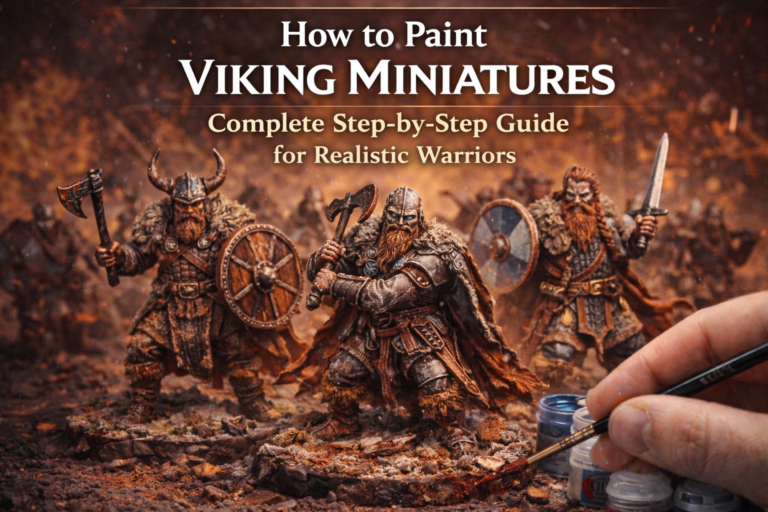
Many fantasy miniatures also combine these creatures with Viking-style armor or barbarian gear. If you enjoy painting rugged fantasy warriors, our guide on painting Viking warriors for winter campaigns explores similar textures and materials:
https://echoartstudios.net/how-to-paint-viking-miniatures-for-a-winter-themed-campaign
Choosing the Best Green Skin Color Palette
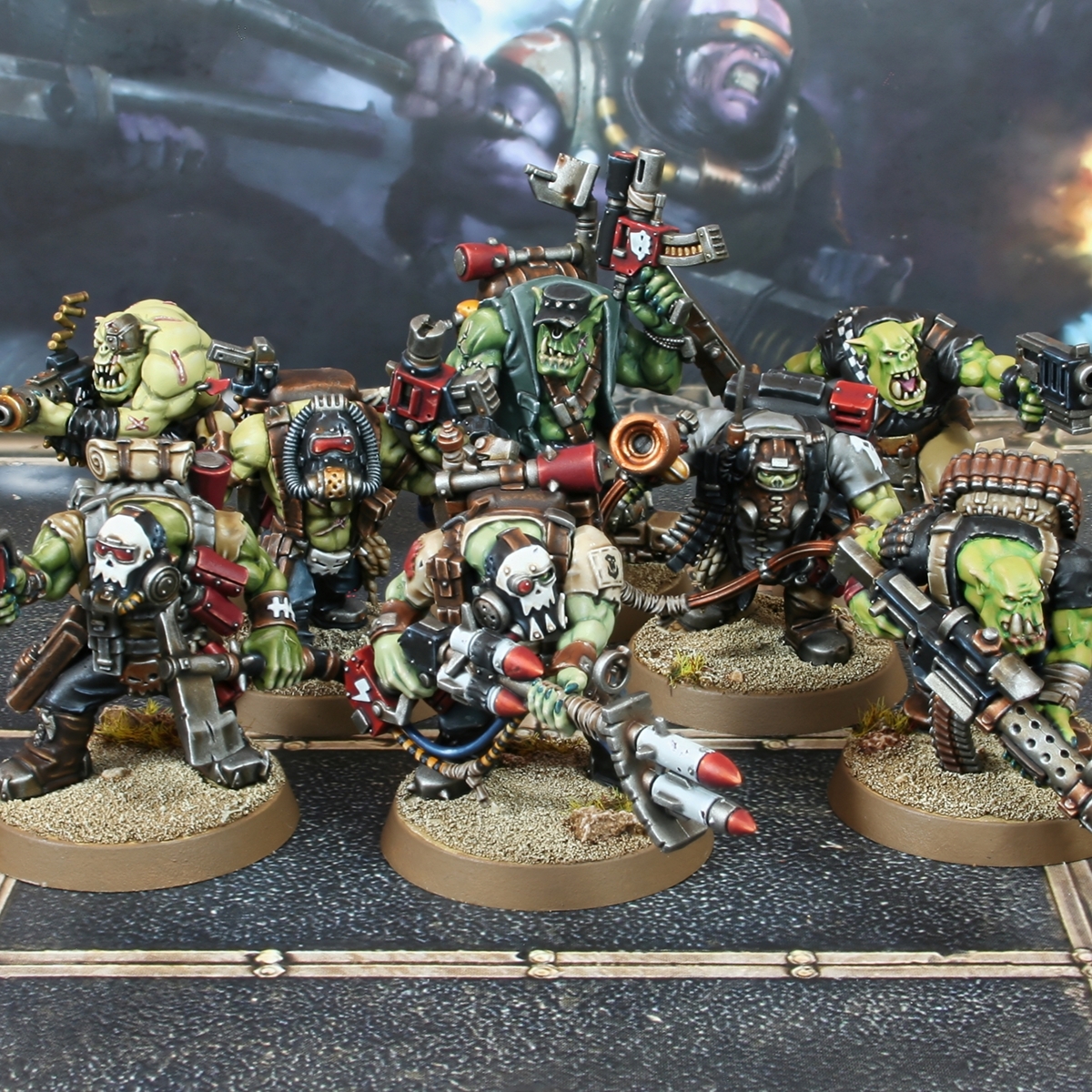
One of the most common mistakes painters make is using only one green color.
Realistic fantasy skin requires multiple shades.
A strong palette might include:
Base Colors
- Dark Green
- Olive Green
- Forest Green
Midtones
- Medium Green
- Moss Green
- Goblin Green
Highlight Colors
- Yellow Green
- Pale Green
- Light Lime Green
Shadow Colors
- Dark Brown
- Dark Blue
- Deep Purple
Adding these colors in layers creates natural depth and makes the skin look alive.
For darker fantasy creatures such as undead monsters, you can explore similar layering techniques in this guide about painting Draugr with frost and undead effects:
https://echoartstudios.net/how-to-paint-draugr-miniatures-with-realistic-frost-and-undead-effects
Even though the colors differ, the concept of building layers of light and shadow remains the same.
Step-by-Step Guide to Painting Orc Skin
Now let’s walk through a simple and effective method for painting orc skin.
Step 1 – Basecoat
Start with a dark green basecoat.
Examples:
- Dark Olive Green
- Forest Green
- Deep Moss Green
Thin your paint slightly so the sculpt details remain sharp.
Apply two thin coats instead of one thick coat.
Step 2 – First Layer
Mix your base green with a lighter green.
Apply this layer to raised areas such as:
- Muscles
- Cheeks
- Shoulders
- Fingers
Leave the darker green visible in recesses.
Step 3 – Second Highlight
Add a touch of yellow to your green mix.
Apply smaller highlights to areas that catch light:
- Nose
- Brow ridge
- Knuckles
- Upper muscles
This begins to create realistic skin contrast.
Step 4 – Final Highlights
Use a very light green tone for the sharpest highlights.
Focus on:
- Facial features
- Edge muscles
- Tops of fingers
These highlights make the miniature pop from tabletop distance.
Step 5 – Glazing for Smooth Transitions
Thin green paint heavily with water or medium.
Apply gentle glazes to blend transitions between layers.
This technique creates smooth skin gradients.
Painting Goblin Skin with Sickly Green Tones

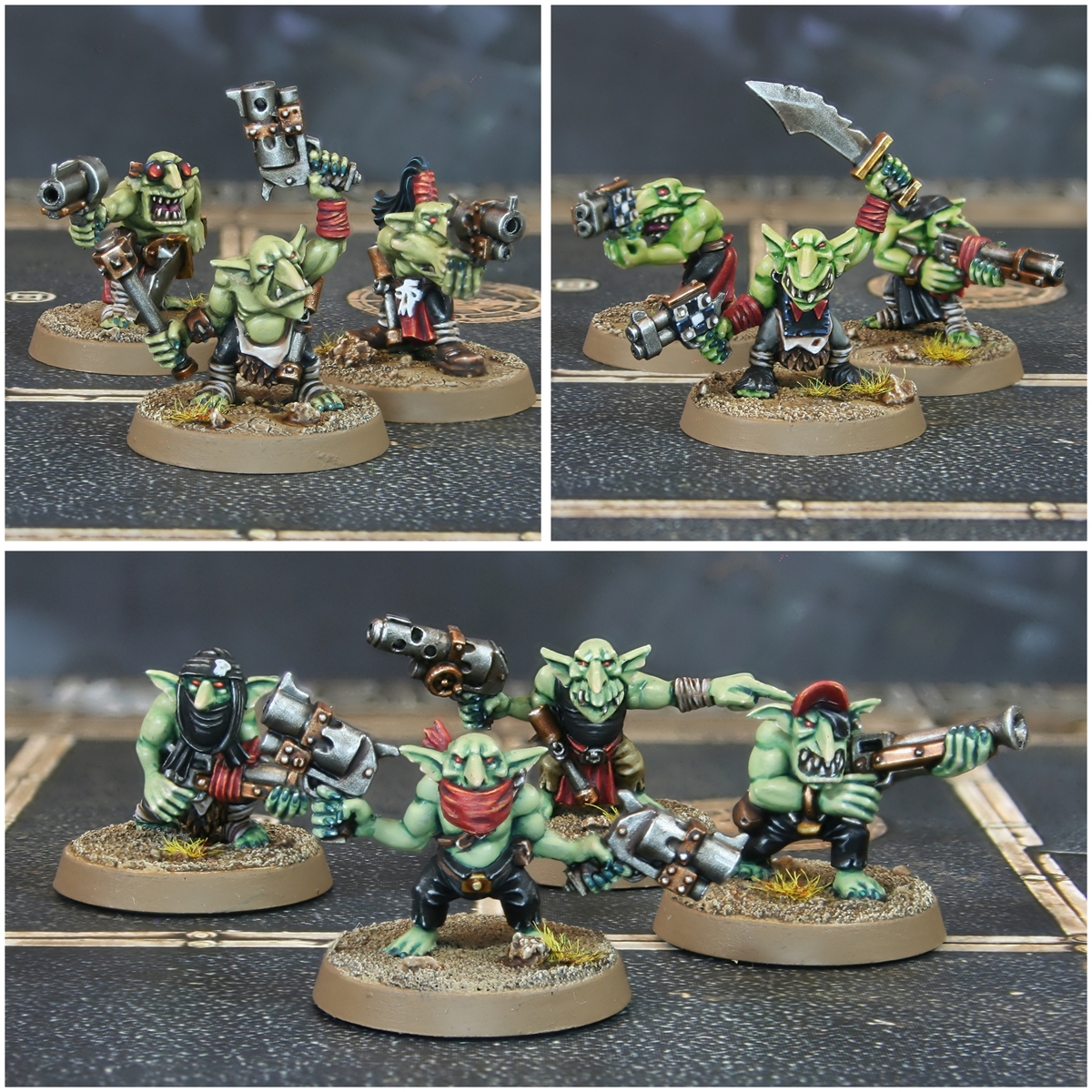
Goblin skin should look slightly different from orc skin.
Instead of deep greens, goblins often have yellowish tones.
Recommended Goblin Palette
- Dark Olive Base
- Medium Green Layer
- Yellow Green Highlights
You can also add subtle tones like:
- Light brown shadows
- Purple under-eyes
- Red around the nose
These small touches create personality and make goblins look mischievous or sinister.
Advanced Techniques for Realistic Monster Skin
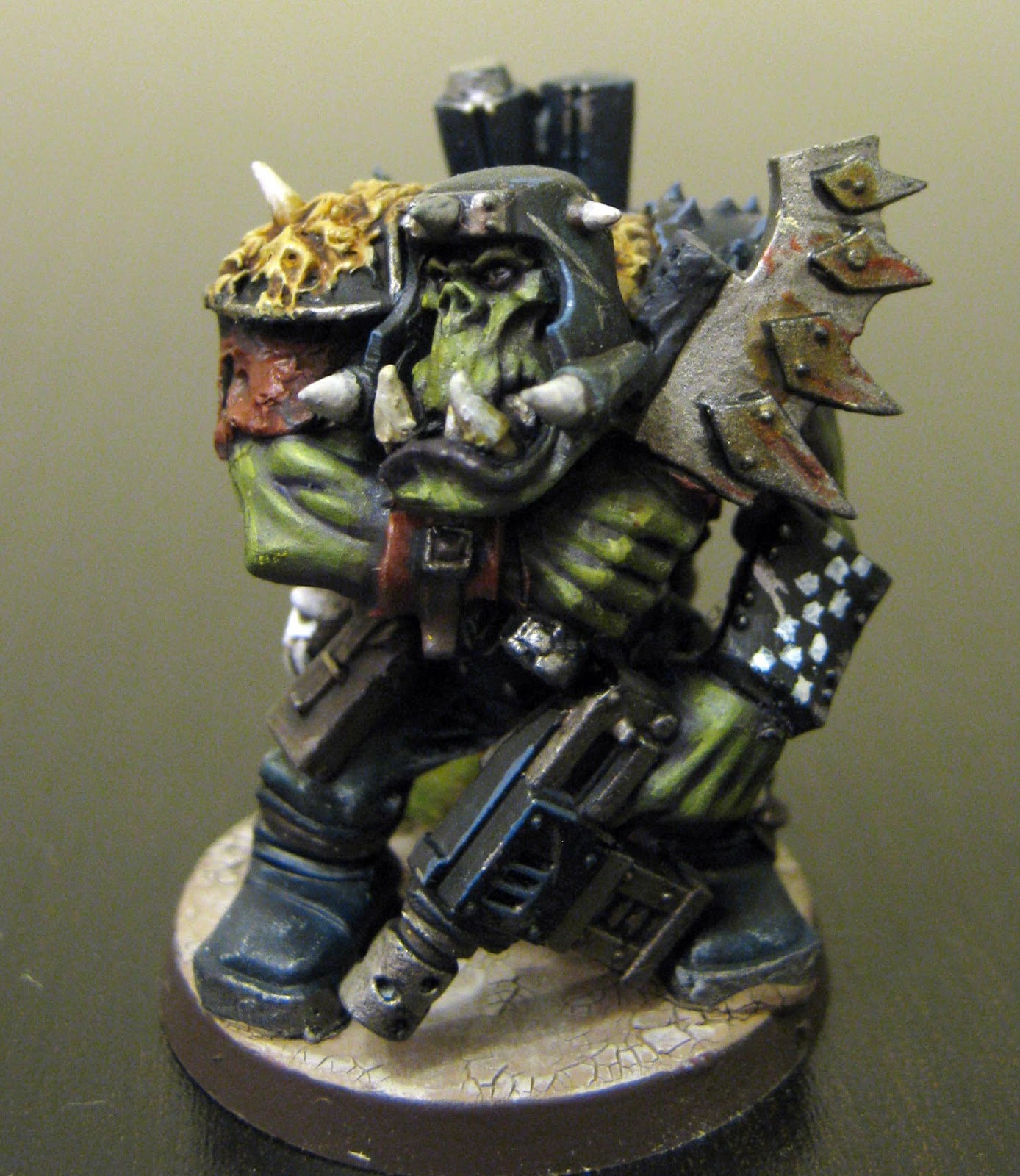
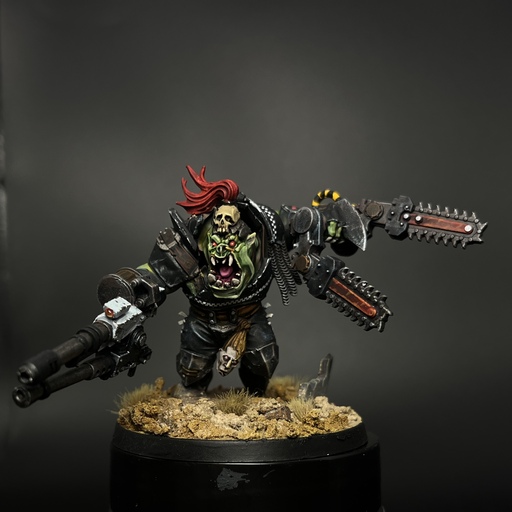
Once you master the basic techniques, you can push your painting further with advanced methods.
Stippling Texture
Use a worn brush to gently dab small dots of color across the skin.
This creates subtle texture that resembles pores or rough skin.
Color Variation
Add tiny glazes of:
- Purple in shadows
- Yellow on highlights
- Brown around scars
These subtle changes make skin look more organic.
Veins and Scars
For large monsters or display miniatures, you can paint:
- Thin blue veins
- Red scars
- Dark bruising
These details add storytelling to your miniature.
If you want to explore more advanced painting methods used by professional miniature artists, check out this detailed guide on advanced Warhammer miniature techniques:
https://echoartstudios.net/advanced-techniques-for-painting-warhammer-40000-miniatures-from-intermediate-to-professional-level
Painting Orc and Goblin Armies Efficiently
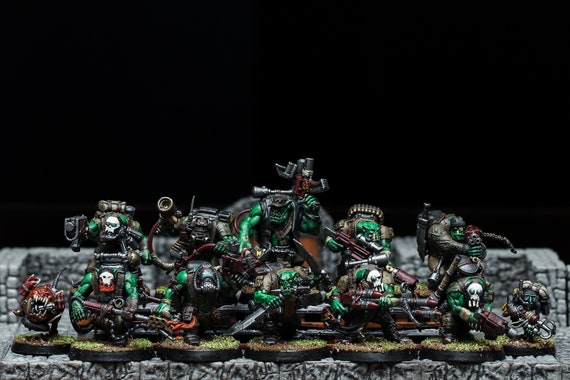
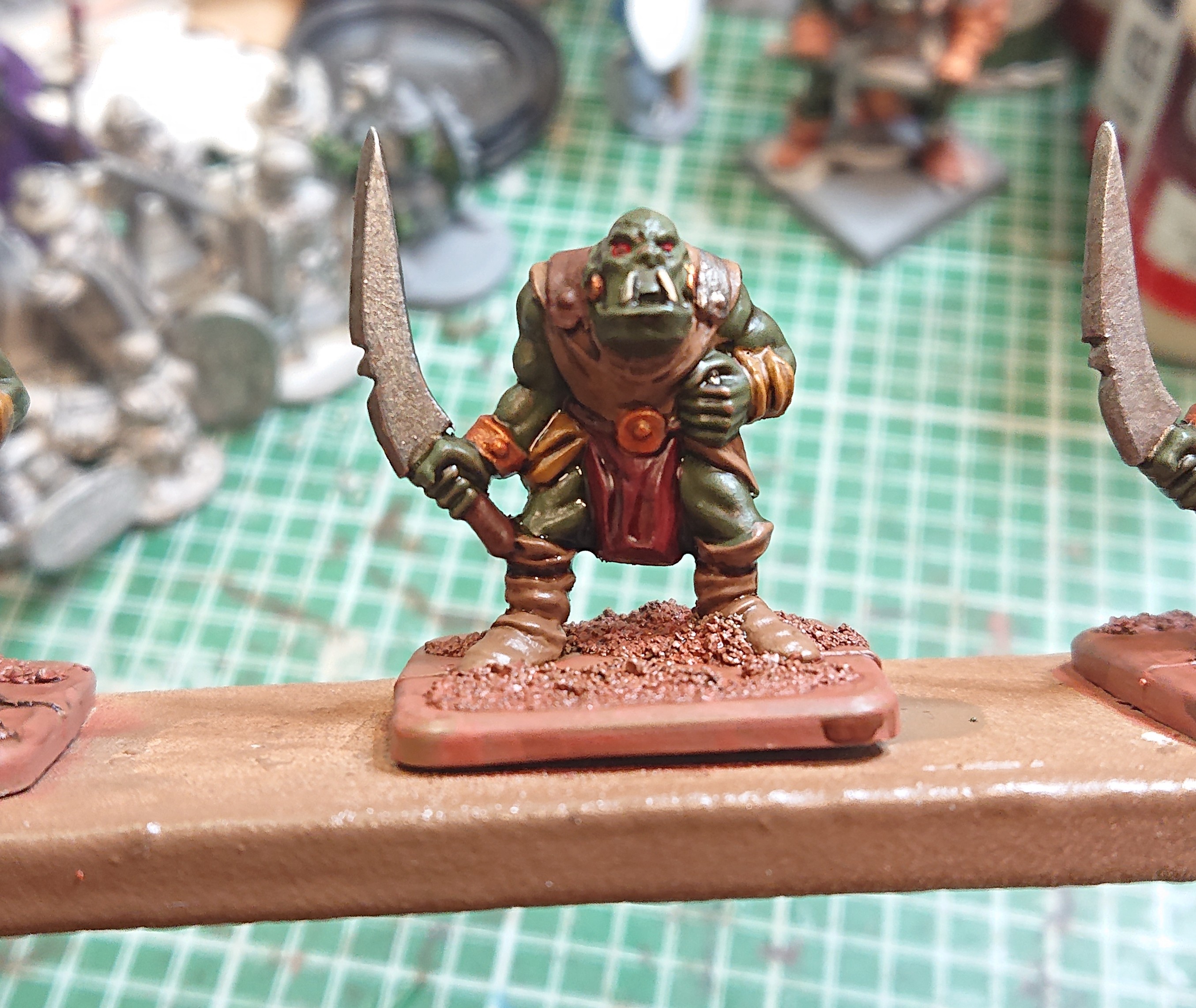
When painting large fantasy armies, speed becomes important.
Instead of painting each miniature individually, use batch painting techniques.
Fast Orc Skin Method
- Dark green basecoat
- Heavy green wash
- Drybrush medium green
- Quick highlight
This method works extremely well for tabletop armies.
Fast Goblin Skin Method
- Olive green basecoat
- Green wash
- Yellow-green drybrush
- Quick edge highlights
You can paint entire units quickly using this approach.
For painters working on large Warhammer forces, efficient workflows are essential. Our tutorial on speed painting Warhammer armies covers techniques that save enormous time while maintaining quality:
https://echoartstudios.net/speed-painting-warhammer-40000-miniatures-paint-armies-fast-without-losing-quality
Common Mistakes When Painting Green Skin
Even experienced painters sometimes struggle with fantasy skin.
Here are mistakes to avoid:
Using only one shade of green
Flat color makes skin look unrealistic.
Over-highlighting
Too many bright highlights can make the miniature look cartoonish.
Ignoring shadows
Deep shadows create contrast and realism.
Skipping color variation
Adding subtle tones like purple, brown, or yellow makes skin far more believable.
Final Thoughts
Painting goblin and orc skin is one of the most enjoyable aspects of fantasy miniature painting. These creatures give painters creative freedom to experiment with vibrant greens, dramatic shadows, and textured skin effects.
By learning how to layer colors, blend highlights, and introduce subtle variations, you can transform simple green paint into realistic fantasy skin that feels alive.
Whether you’re painting a single D&D character or a massive Warhammer army, mastering these techniques will elevate the quality of your miniatures and make your tabletop battles even more immersive.
Practice regularly, experiment with new color combinations, and most importantly—enjoy the creative process.
If you would like free D&D STL miniatures, visit our homepage and download yours now:
https://echoartstudios.net/