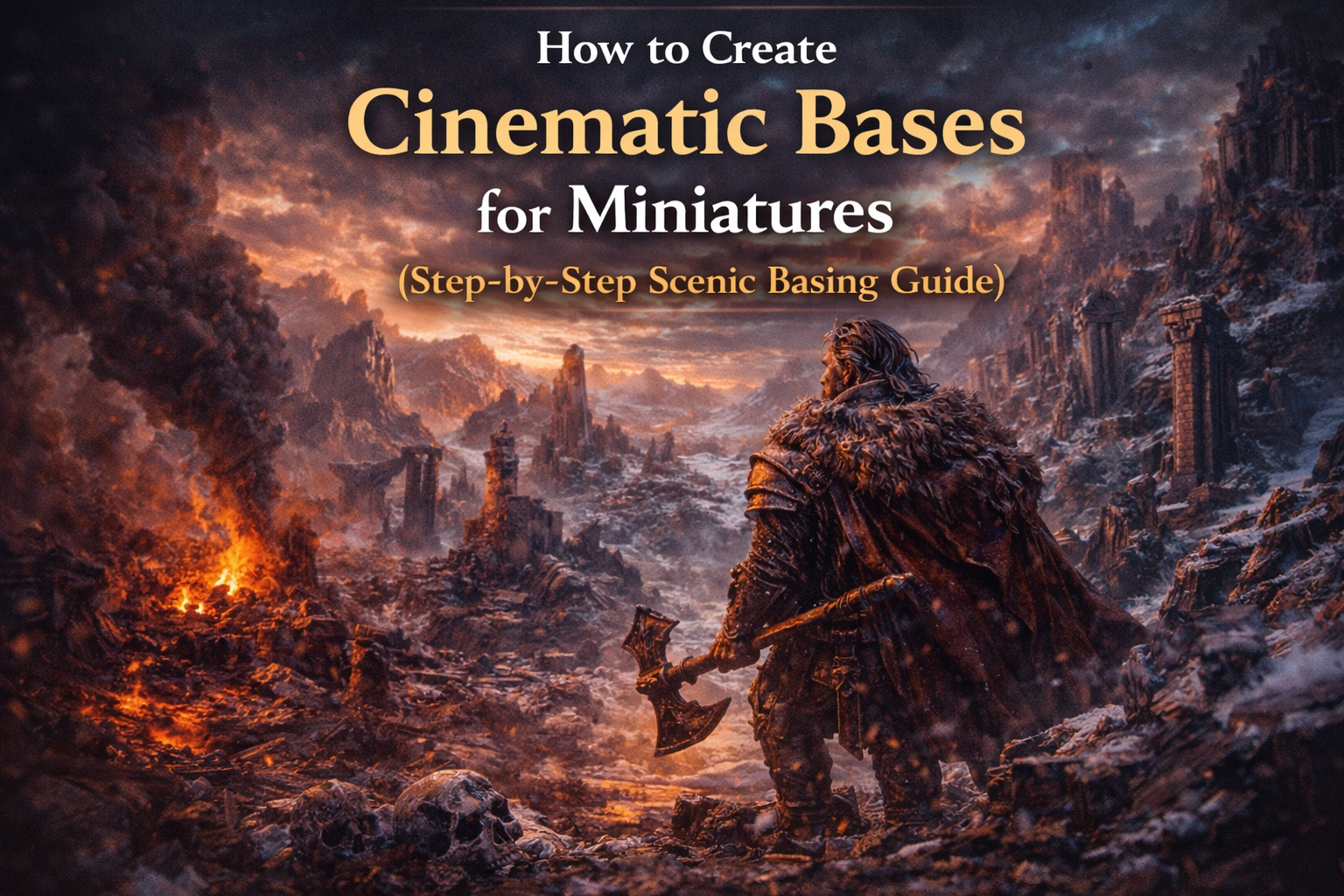
How to Create Cinematic Bases for Miniatures (Step-by-Step Scenic Basing Guide)
How to create cinematic bases for miniatures is one of the most powerful ways to elevate a miniature from a simple gaming piece to a storytelling display model. While painting techniques often receive the most attention, the base is what anchors a character to its world.
A well-designed base transforms a miniature into a scene. Instead of just a warrior standing on plastic, you suddenly have a Viking fighting through frozen ruins, an undead monster emerging from cursed soil, or a sci-fi soldier standing in a battlefield crater.
In this guide, you’ll learn how to design dynamic bases, choose the right materials, create believable environments, and push your miniature projects toward a cinematic level.
Why Scenic Bases Matter
Many painters spend hours painting armor and weapons but place the miniature on a flat texture base. This creates a disconnect between the miniature and the environment.
A cinematic base adds:
- visual storytelling
- atmosphere
- scale and realism
- color contrast
- narrative context
It turns a model into a scene.
Planning Your Base Before Painting
The biggest mistake beginners make is designing the base after finishing the miniature.
Instead, plan the base first.
Ask yourself:
- What environment does the character belong to?
- Is the scene calm or dynamic?
- Is the miniature standing, fighting, or moving?
For example:
A frozen undead warrior works perfectly with icy ruins and snow-covered stones. This kind of thematic cohesion often appears in undead painting guides such as the techniques used when creating frost-covered Draugr warriors:
https://echoartstudios.net/how-to-paint-draugr-miniatures-with-realistic-frost-and-undead-effects
Planning the base around the character creates stronger storytelling.
Essential Materials for Scenic Bases
You don’t need expensive terrain kits.
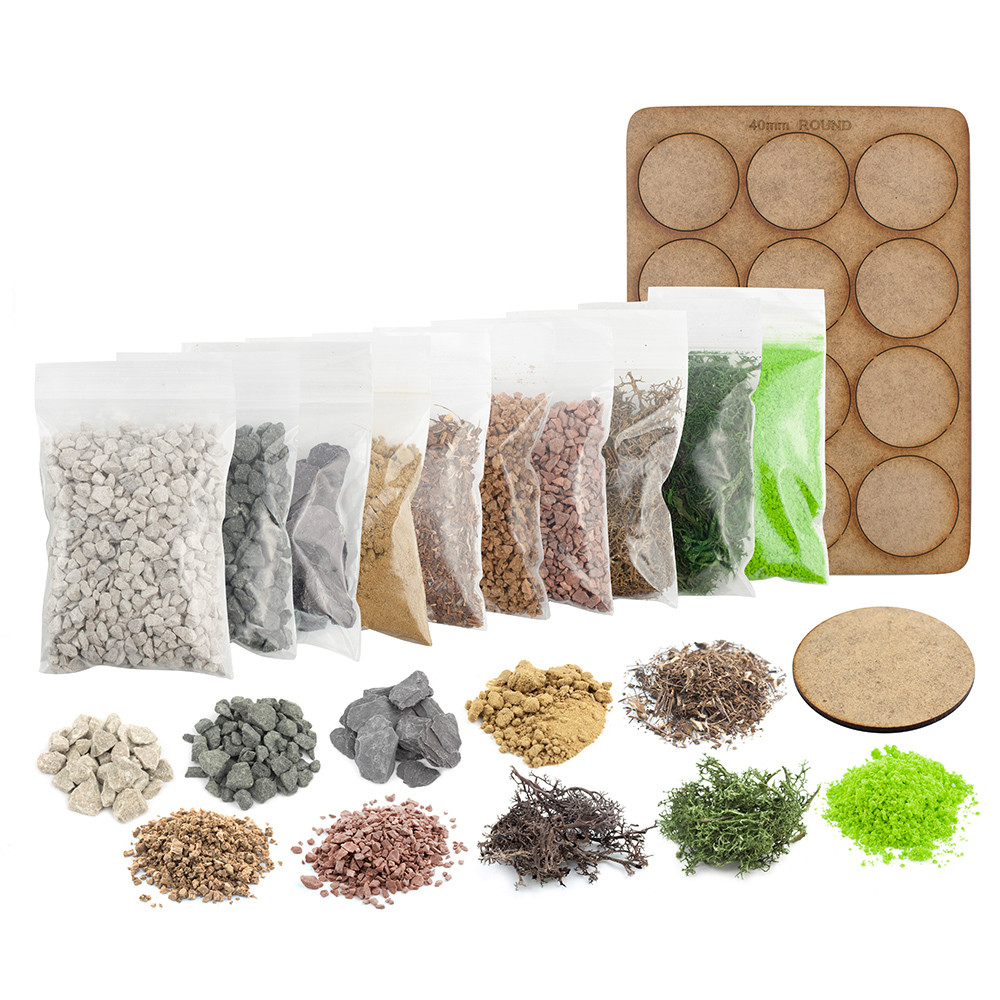
Many materials are common hobby items:
- cork sheets
- small stones
- sand
- bark pieces
- plastic bits
- textured paste
Cork is especially useful because it breaks naturally into rock shapes.
Building a Rocky Base
Rock bases are one of the easiest cinematic environments.
Step 1 – Break Cork Pieces
Break cork into irregular shapes.
Step 2 – Glue Layers
Stack pieces slightly to create height.
Step 3 – Fill Gaps
Use texture paste or sand to fill the gaps.
Step 4 – Prime
Prime everything together so the textures unify.
Once painted, cork convincingly resembles stone cliffs.
Adding Environmental Details
Details create realism.
Examples include:
- broken weapons
- skulls
- fallen banners
- ruins
- scattered shields
These elements help reinforce the story.
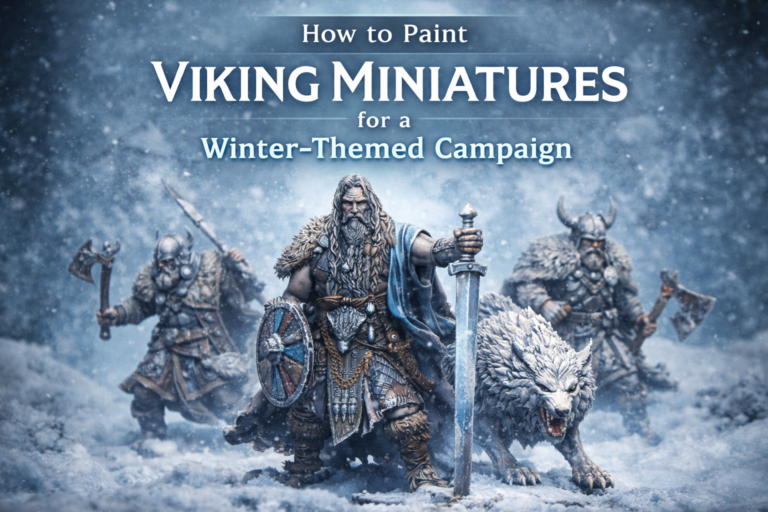
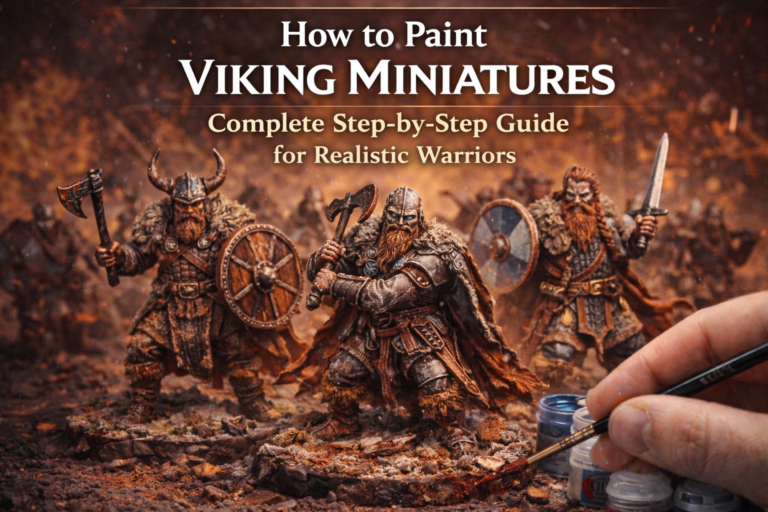
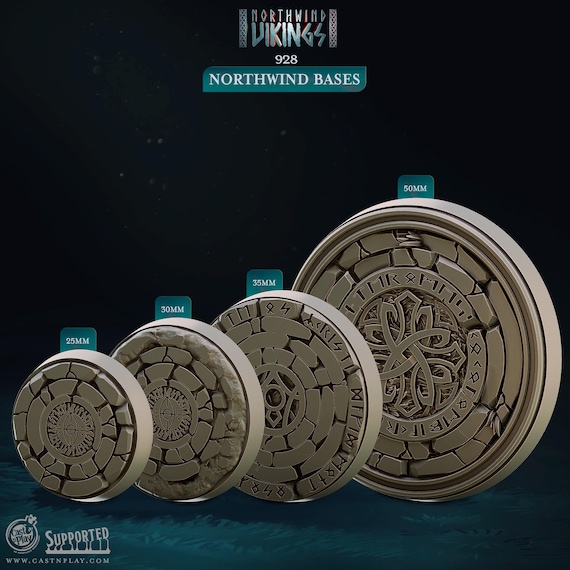
For example, Viking-themed warriors often stand on broken shields or battlefield debris, reinforcing the narrative style often used in Norse miniature painting projects:
https://echoartstudios.net/how-to-paint-viking-miniatures-for-a-winter-themed-campaign
Painting the Base
The base should never compete with the miniature.
Follow this rule:
The base supports the model, it does not steal attention.
A good workflow:
- Prime black
- Heavy drybrush dark grey
- Light drybrush lighter grey
- Add selective washes
Then add environmental color accents.
Adding Snow Effects
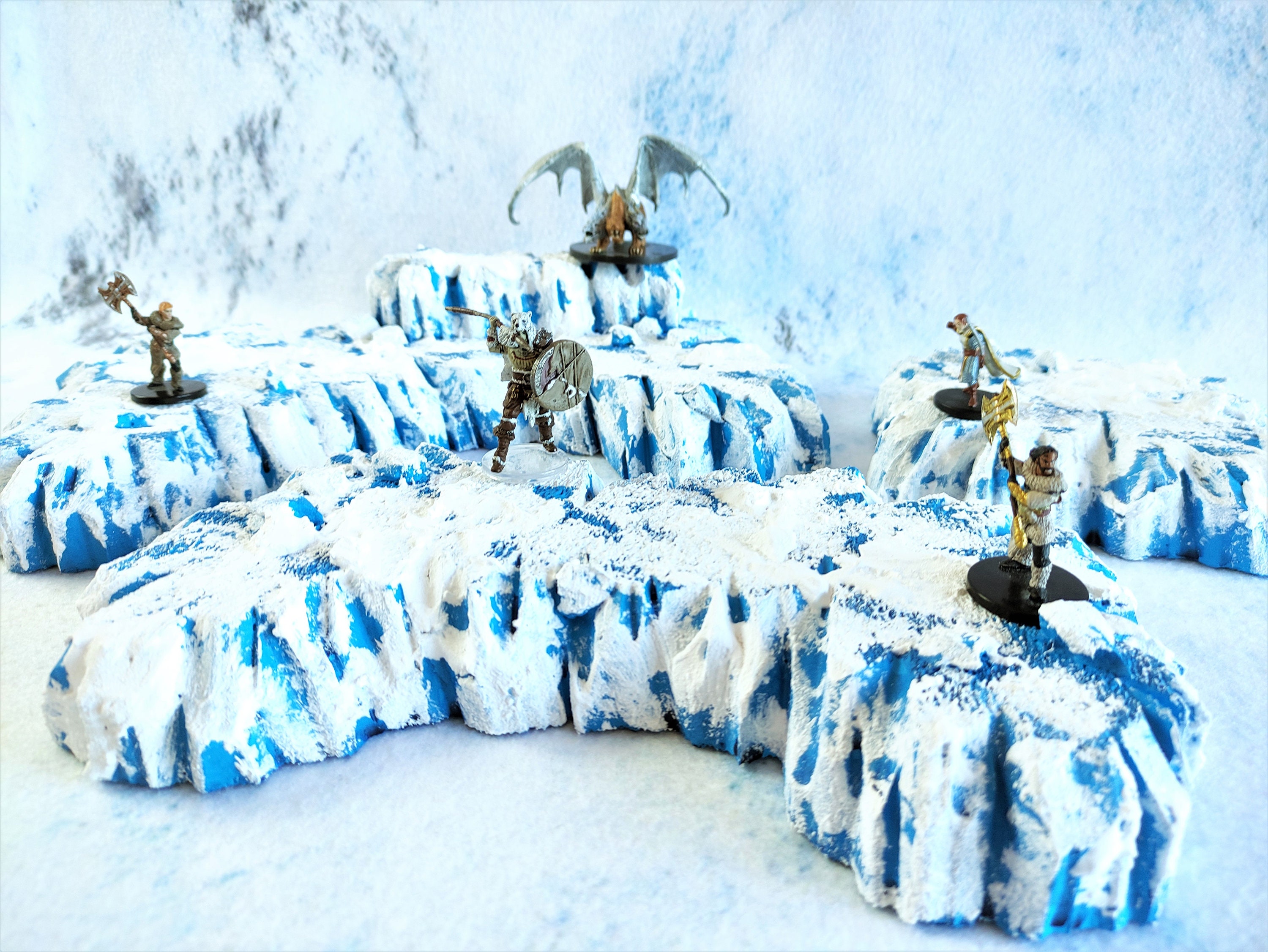
Snow is popular for fantasy miniatures.
To create realistic snow:
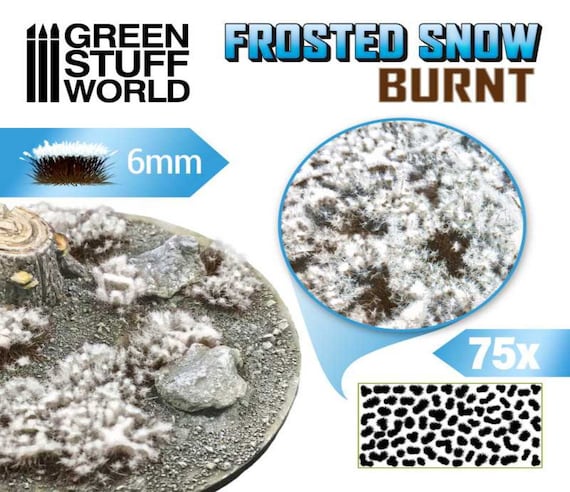
- Use texture paste or baking soda mixture
- Apply selectively
- Keep footprints or worn areas visible
Too much snow removes detail.
Snow works especially well when painting Nordic characters with fur and winter armor, where environment and character design must visually match.
4
Adding Vegetation
Nature elements add contrast to rocky bases.
Use:
- static grass
- tufts
- moss
- tiny roots
Place vegetation in corners or cracks to avoid covering the entire base.
Small clusters look more natural than large patches.
Color Harmony Between Miniature and Base
The miniature and base must share a color story.
Examples:
Warm miniature → cooler base tones
Cold miniature → neutral base tones
If both use the same color palette, the miniature disappears visually.
This principle is often applied in advanced painting techniques when pushing miniatures toward display-level presentation:
https://echoartstudios.net/advanced-techniques-for-painting-warhammer-40000-miniatures-from-intermediate-to-professional-level
Contrast between character and base improves readability.
Speed Basing for Army Projects
When painting large armies, bases must be efficient.
A quick workflow:
- Apply texture paste
- Prime black
- Drybrush grey
- Add grass tufts
This method creates good-looking bases quickly.
Speed basing is particularly useful when working on large units or full armies, where efficiency is essential to maintain momentum across many models:
https://echoartstudios.net/speed-painting-warhammer-40000-miniatures-paint-armies-fast-without-losing-quality
Common Basing Mistakes
Avoid these problems:
Flat bases
Too many elements
Colors brighter than the miniature
Oversized rocks
Perfect symmetry
Nature is irregular. Your base should feel organic.
Turning a Base into a Story
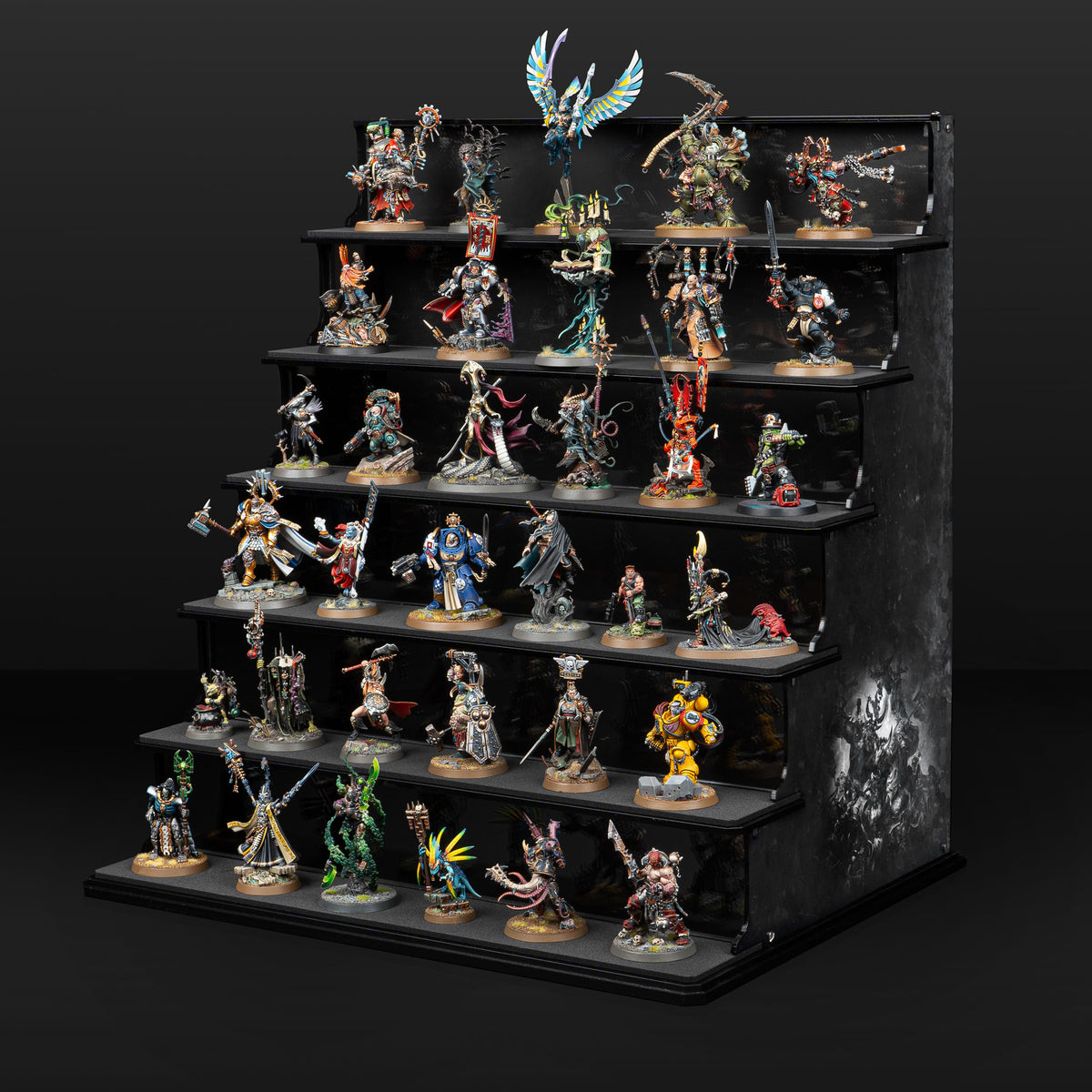
The best cinematic bases suggest a moment in time.
Examples:
A warrior stepping over a fallen enemy.
An undead creature rising from cursed ground.
A ranger standing on ancient ruins.
The base becomes part of the narrative.
Final Thoughts
Learning how to create cinematic bases for miniatures dramatically improves the visual impact of your models. A thoughtful base provides context, atmosphere, and storytelling, transforming a simple figure into a miniature scene.
By combining simple materials like cork, sand, and terrain details with careful color harmony, you can create bases that elevate your miniatures from tabletop pieces to display-worthy models.
Whether you’re painting fantasy heroes, undead monsters, or grimdark warriors, a strong scenic base completes the illusion of a living world.
If you would like free D&D STL miniatures, visit our homepage and download yours now:
https://echoartstudios.net/