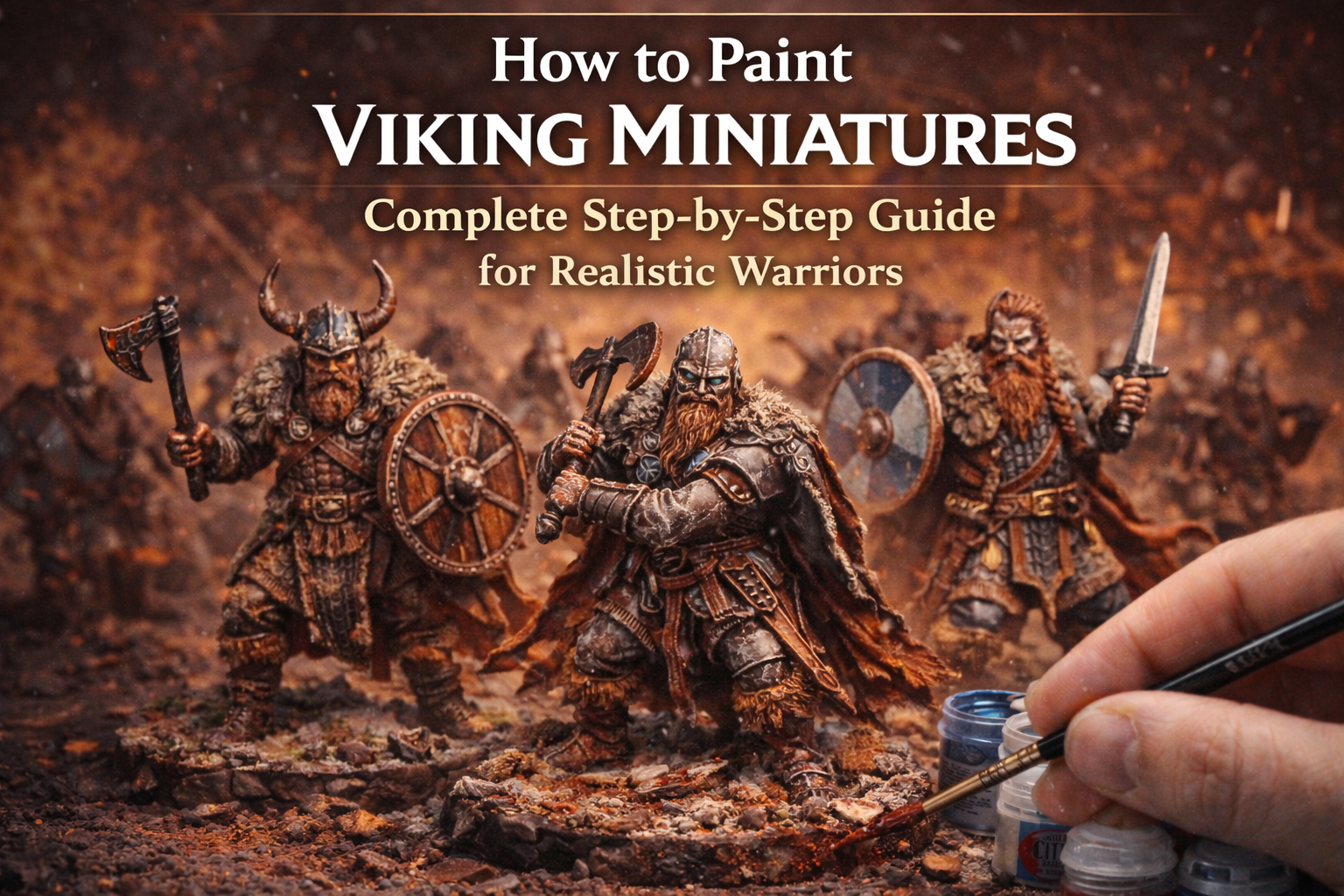
How to Paint Viking Miniatures: Complete Step-by-Step Guide for Realistic Warriors
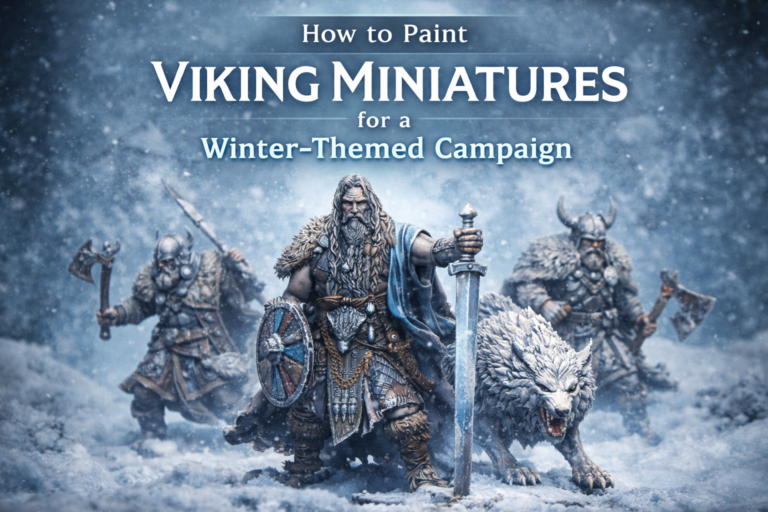
How to paint Viking miniatures is one of the most searched and requested topics among fantasy miniature painters. Viking models offer fur textures, leather armor, wood shields, metal weapons, braided hair, and battle-worn details — making them perfect for both beginners and advanced hobbyists.
In this complete step-by-step guide, you’ll learn how to paint Viking miniatures with realistic textures, strong contrast, natural color palettes, and dynamic battlefield presence — whether for tabletop gaming, display pieces, or full winter warbands.
Understanding the Viking Color Palette
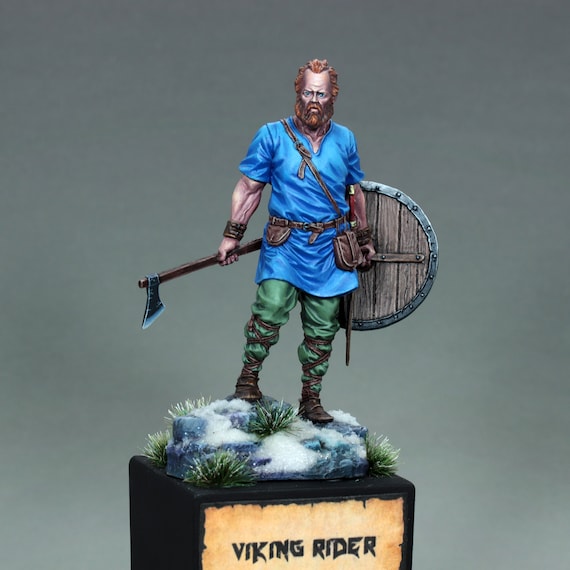
Before picking up your brush, define your Viking palette.
Historical-inspired Viking schemes typically include:
- Earthy browns
- Muted reds
- Deep blues
- Desaturated greens
- Iron steel metallics
- Natural leather tones
Avoid overly saturated “fantasy bright” colors unless you want a heroic stylized look.
Realistic Viking miniatures benefit from grounded tones.

4
Priming for Strong Contrast
Proper priming makes painting Viking miniatures much easier.
Recommended approach:
- Black primer base
- Light grey zenithal spray
- Optional warm brown undercoat for leather-heavy models
Zenithal priming enhances fur, braids, and chainmail texture.
This reduces the amount of manual shading needed later.


4
Painting Realistic Skin Tones
Viking miniatures often feature exposed arms and faces, making skin crucial.
Step-by-step skin workflow:
- Base coat with mid-tone flesh
- Wash with brown + red mix
- Reapply base tone on raised areas
- Highlight nose, cheekbones, knuckles
- Add subtle cool glaze for realism
For weathered warriors, add:
- Light red glaze around nose
- Slight desaturation under eyes
- Subtle scars
Keep contrast strong — tabletop distance matters.


4
Painting Fur and Cloaks
Fur is a defining Viking texture.
Efficient method:
- Base coat dark brown or dark grey
- Heavy drybrush mid-tone
- Light drybrush lighter tone
- Add subtle wash in recesses
For variety, mix fur colors:
- Grey wolf
- Brown bear
- Black fur
- Off-white fur
Texture makes Vikings visually powerful.

4
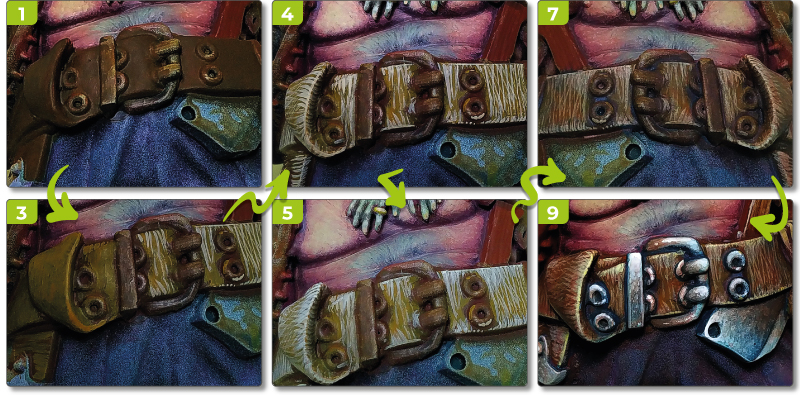
Leather Armor and Belts
Leather appears everywhere in Viking miniatures.
Fast leather workflow:
- Base coat medium brown
- Wash dark brown
- Edge highlight lighter brown
- Add small scratches with fine brush
Optional: add tiny lighter lines to simulate wear.
Leather should feel rugged, not shiny.
4
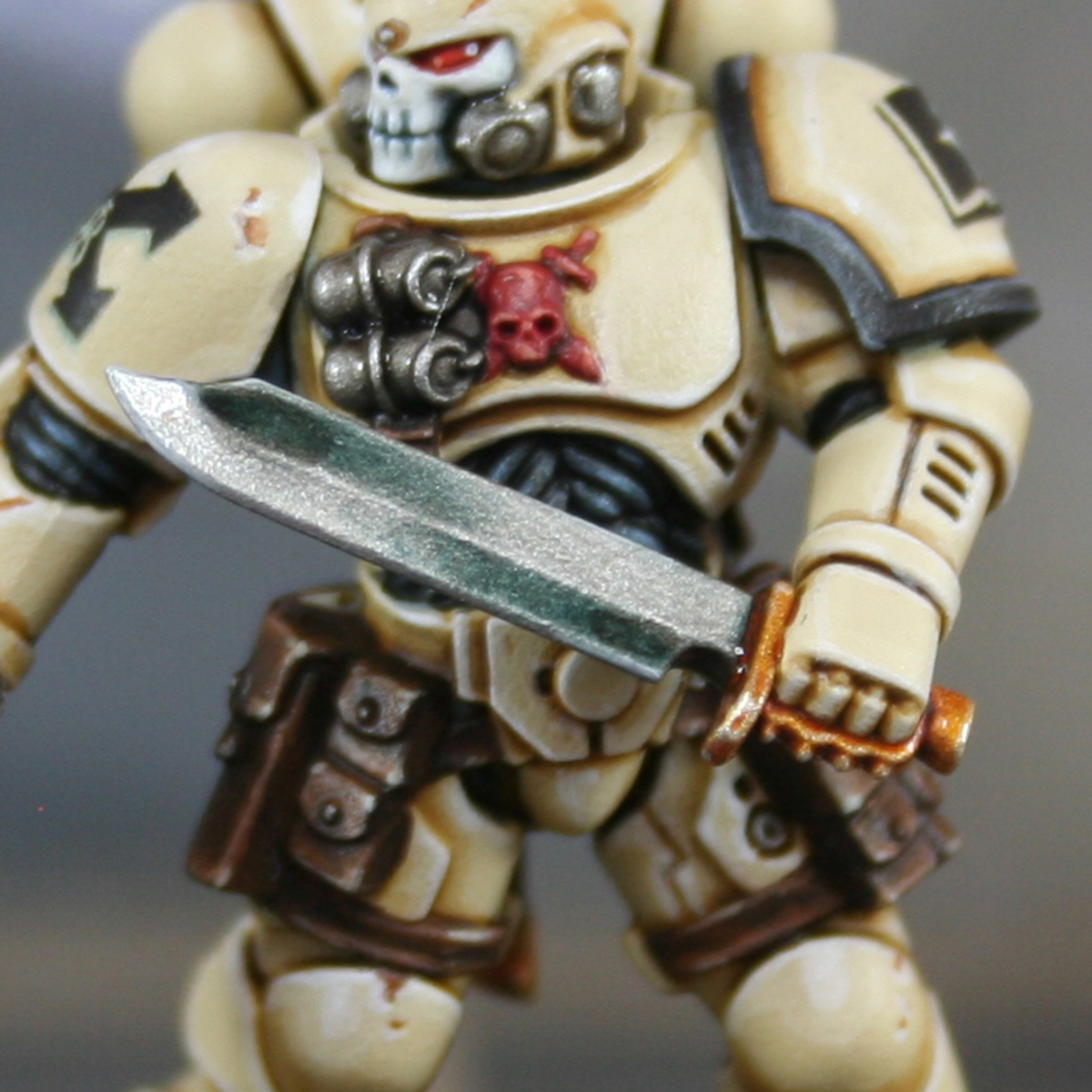
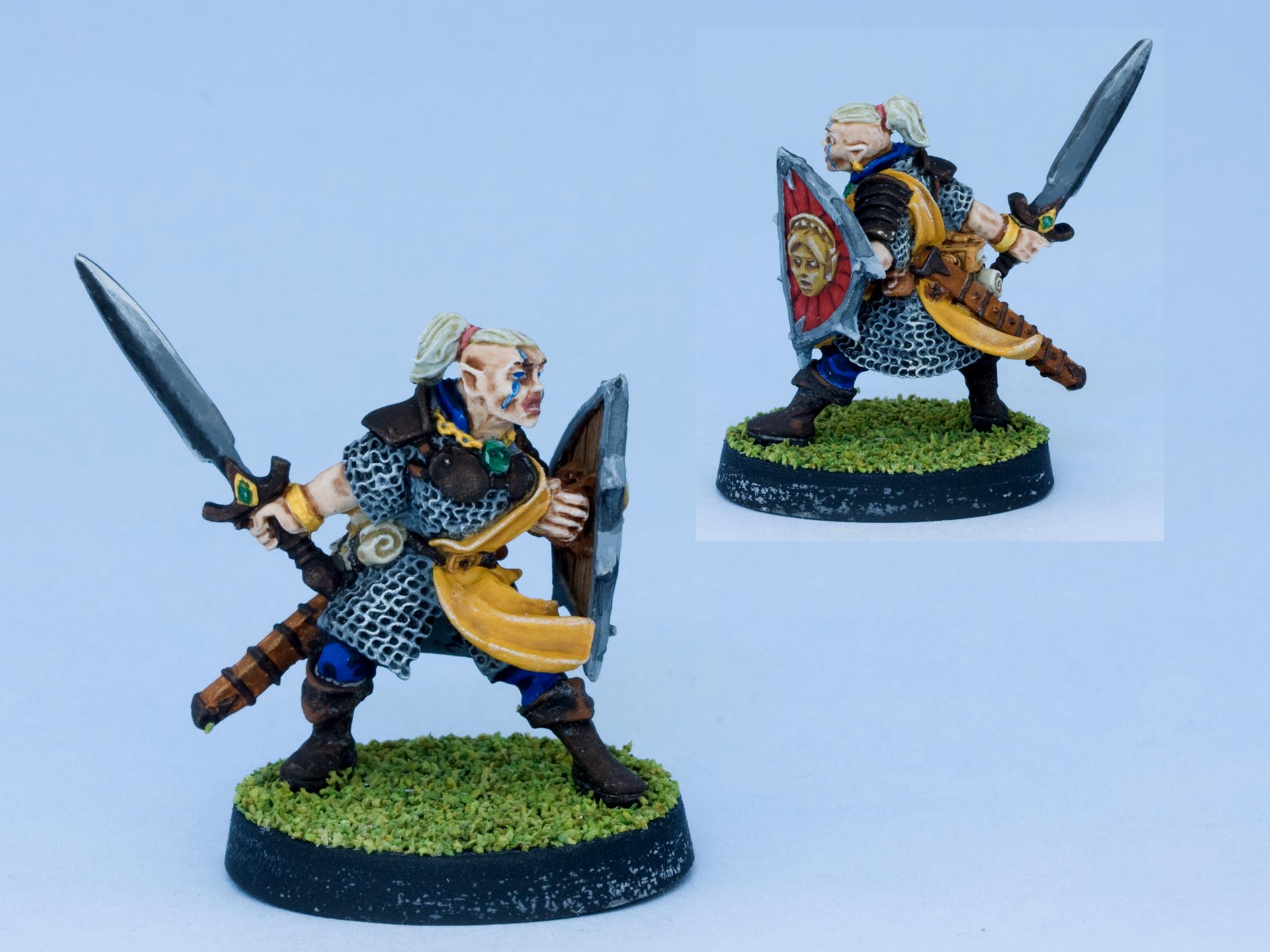
Painting Metal Weapons and Chainmail
Metallics define Viking warriors.
For steel:
- Base coat dark metallic
- Wash black
- Reapply metallic on raised areas
- Edge highlight bright silver
For battle-worn weapons:
- Add small dark chips
- Light brown glaze for subtle rust
- Thin red-brown streaks for realism
Avoid heavy orange rust unless thematic.
4
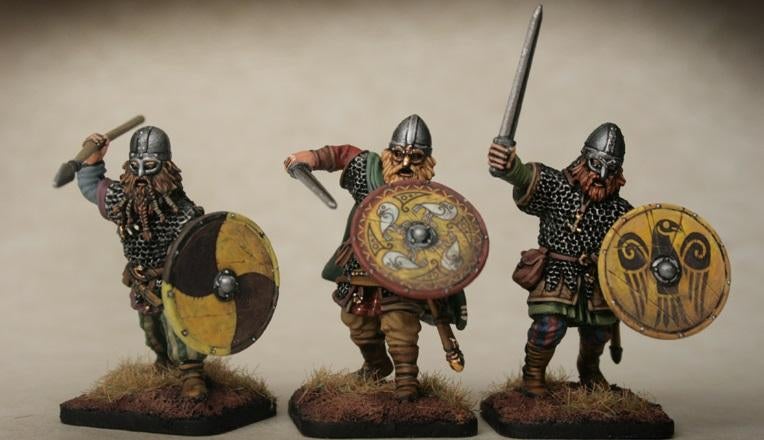
Painting Viking Shields
Shields are focal points.
Options:
- Simple wood texture
- Nordic rune symbols
- Split color patterns
- Weathered paint effects
Wood shield method:
- Base brown
- Draw vertical grain lines
- Light drybrush
- Add scratches
Keep designs bold and readable.
4
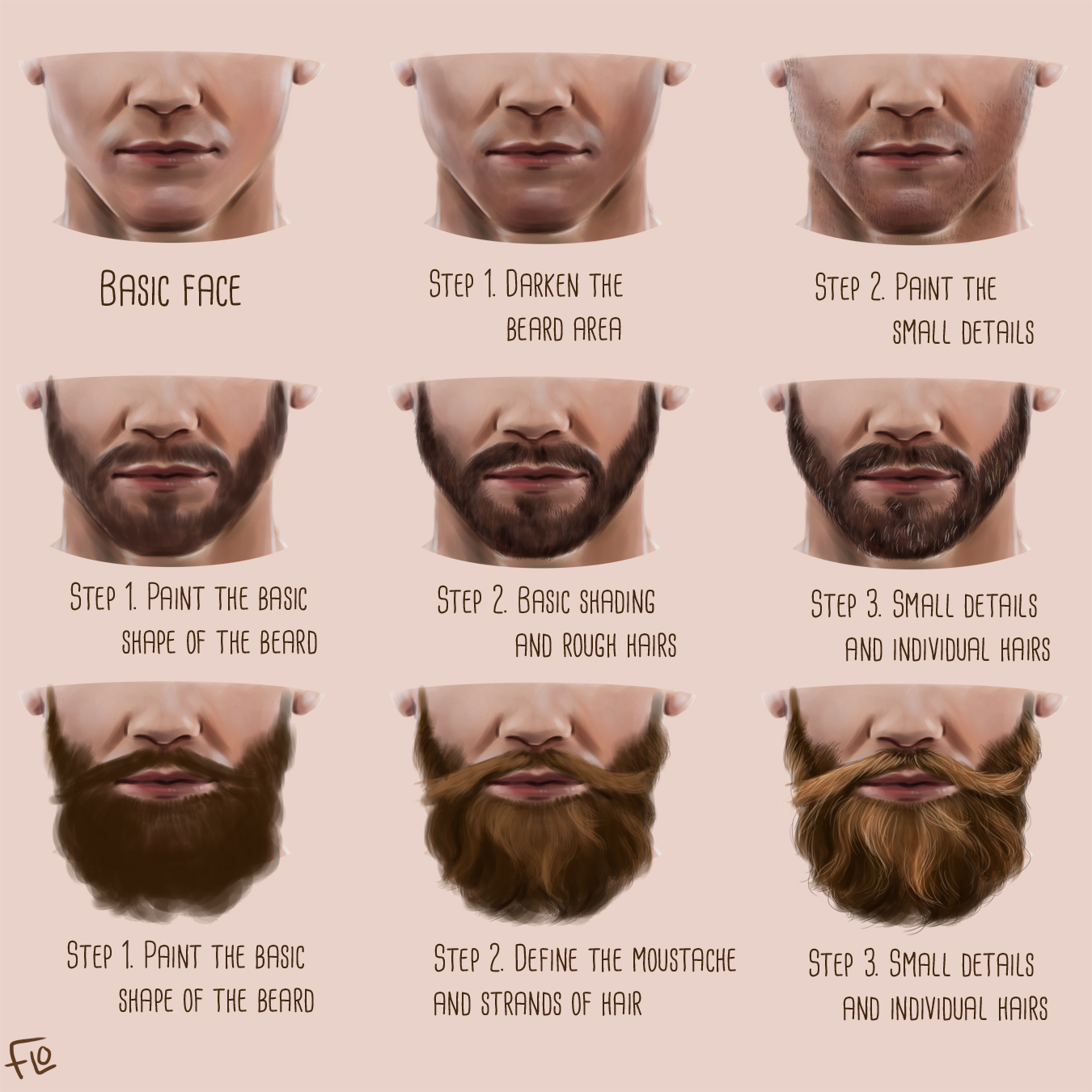
Beards and Hair
Vikings are defined by hair and braids.
Fast hair technique:
- Base coat
- Wash darker tone
- Drybrush lighter shade
Common Viking hair colors:
- Blonde
- Dark brown
- Ginger
- Grey
Add slight variation between models for realism.
4
Basing for Viking Armies
Basing completes the story.
Options:
- Snow tundra
- Rocky shoreline
- Forest terrain
- Mud battlefield
Keep basing consistent across the unit.
Texture → paint dark → drybrush → add details.
Strong bases elevate your entire army.

4
Speed Painting vs Display Painting
For full warbands:
- Limit color palette
- Use batch painting
- Focus on contrast
For display pieces:
- Add glazing
- Refine highlights
- Increase detail
Know your goal before starting.
Common Mistakes When Painting Vikings
- Overusing bright colors
- Ignoring leather variation
- Flat metallics
- Weak skin contrast
- Inconsistent bases
Keep contrast strong and colors grounded.
Final Thoughts
Learning how to paint Viking miniatures effectively combines texture control, earthy palettes, strong contrast, and storytelling. By mastering fur drybrushing, leather weathering, realistic skin tones, and cohesive basing, your Vikings will look battle-ready and immersive on the tabletop.
Whether you’re building a full raiding party or a display hero, these techniques will help you achieve impactful, realistic results efficiently.